Chinese Grammar Points
HSK 7-9
Advanced — Proficient


148 grammar points covering everything from basic word order to complex sentence patterns. Each point includes clear explanations, real-world examples, and exercises to reinforce your learning.
mastery
True fluency means choosing the right structure instinctively.
Band 7-9 Requirements
Official HSK 3.0 quantitative criteria — what you need to know and how you'll be tested.
Exam Structure
| Section | Questions | Duration |
|---|---|---|
| Listening | TBA | TBA |
| Reading | TBA | TBA |
| Writing | TBA | TBA |
| Translation | TBA | TBA |
Proficiency Standards
Understand specialized lectures, nuanced debates, and media across all registers including dialect-influenced Mandarin.
Deliver professional speeches, conduct academic discussions, and negotiate complex topics with native-level precision and cultural sensitivity.
Read classical Chinese texts, advanced academic publications, legal documents, and literary criticism with full comprehension.
Produce publication-quality academic papers, professional translations, and complex analytical essays with sophisticated style.
Source: 新版HSK考试大纲 (HSK 3.0 official syllabus, 国家汉办 / Chinese Testing International). Score validity: 2 years from exam date.
What's Inside Every Grammar Point
Each of our grammar points is a complete mini-lesson. We don't just tell you the rule — we show you how it works with real sentences, warn you about the traps other learners fall into, and give you exercises to make it stick. Whether you're studying for the HSK exam or building conversational fluency, every point is designed to take you from "I've seen this before" to "I can use this confidently." Clear, structured, and built for lasting progress — not just memorization.
Sentence Patterns
Every grammar point starts with a clear, visual pattern template showing exactly where each word goes. No guesswork — just fill in the slots and build correct sentences from day one.
In-Depth Explanations
Each point comes with a thorough breakdown of how the grammar works, why it exists, and how native speakers actually think about it. Cultural notes add the context textbooks leave out.
Real-World Examples
Every rule is backed by graded example sentences — from simple beginner phrases to natural conversational Chinese. Each example includes pinyin, English translation, and usage notes so nothing is left unclear.
Common Mistakes
Learn what not to say. Each grammar point highlights the mistakes Chinese learners actually make, with side-by-side wrong vs. correct comparisons and clear explanations of why the error happens.
Interactive Exercises
Put your understanding to the test with multiple-choice questions, fill-in-the-blank drills, and translation challenges. Instant feedback and explanations help you learn from every attempt.
Tips & Study Strategies
Practical memory tricks, mnemonics, and study advice written by experienced Chinese teachers. Each grammar point ends with homework prompts to keep your practice focused and consistent.
Audio Pronunciations
Hear every example sentence and key vocabulary spoken by native Mandarin speakers. Train your ear alongside your grammar — because understanding spoken Chinese is just as important as reading it.
Progress Tracking
Earn XP and unlock checkpoints as you work through each grammar point. Track your mastery across sections, monitor your study streaks, and watch your understanding grow from beginner to confident speaker.
Modal Verb: 需 (need — formal)
能愿动词:需
Use 需 as a formal modal verb meaning "need to" in written and elevated spoken Chinese
Interrogative Pronoun: 何 (what/when — formal)
疑问代词:何
Understand and use the formal interrogative pronoun 何 and its compound forms in written and elevated Chinese
Demonstrative Pronouns: 该, 另, 兹
指示代词:该、另、兹
Use the formal demonstrative pronouns 该, 另, and 兹 in written and official Chinese contexts
Measure Words: 栋, 粒, 枚, 则, 盏 & Compound 人次
名量词:栋、粒、枚、则、盏;人次
Master advanced measure words for buildings, small objects, news items, lamps, and the compound measure word 人次
Degree Adverb: 极为 (extremely — formal)
程度副词:极为
Use 极为 to express an extreme degree in formal writing and elevated speech
Degree Adverb: 尽 (fully/to the utmost)
程度副词:尽
Use 尽 as a degree adverb meaning "to the utmost" or "at the very end" in spatial and abstract contexts
Degree Adverb: 蛮 (quite/rather — colloquial)
程度副词:蛮
Use 蛮 as a colloquial degree adverb meaning "quite" or "rather" in informal spoken Chinese
Degree Adverb: 颇 (quite/rather — literary)
程度副词:颇
Use 颇 as a literary degree adverb meaning "quite" or "rather" in written and semiformal Chinese
Degree Adverb: 稍稍 (slightly/a little)
程度副词:稍稍
Use 稍稍 to express a slight degree of change or action in both written and spoken Chinese
Degree Adverb: 尤为 (especially/particularly — formal)
程度副词:尤为
Use 尤为 to single out something as especially notable in formal written Chinese
Degree Adverb: 越发 (increasingly/more and more)
程度副词:越发
Use 越发 to express that something is progressively increasing in degree
Scope Adverb: 凡 (all/every — formal)
范围副词:凡
Use 凡 to express "all / every" in formal declarations, rules, and universal statements
Scope Adverb: 皆 (all/everyone — literary)
范围副词:皆
Understand and use 皆 as a literary scope adverb meaning "all" in written Chinese and set phrases
Scope Adverb: 统统 (all without exception)
范围副词:统统
Use 统统 to emphatically express "all without exception" in both spoken and written Chinese
Scope Adverb: 唯独 (only/solely)
范围副词:唯独
Use 唯独 to single out one exception from a group in both spoken and written Chinese
Immediate Action in Formal Chinese: 即
时间副词:即
Use 即 to express immediacy or instantaneousness in formal and written Chinese
A Long-Standing Tradition: 历来
时间副词:历来
Use 历来 to describe something that has always been the case throughout history or over a long period
Not Yet Resolved: The Formal Adverb 尚
时间副词:尚
Use 尚 to express "still" or "yet" in formal and written Chinese contexts
That Has Always Been the Case: 向来
时间副词:向来
Use 向来 to describe a person's consistent characteristic, habit, or established way of doing things
Again and Again: 频频
频率副词:频频
Use 频频 to describe actions that happen frequently or repeatedly, often in a vivid or noteworthy manner
Once Again: The Formal 再度
频率副词:再度
Use 再度 to express "once again" in formal contexts, emphasizing the significance of a repeated occurrence
The Literary "Also": 亦
关联副词:亦
Use 亦 to express "also" or "too" in literary, philosophical, and formal written Chinese
Not Yet in Formal Chinese: 未
否定副词:未
Use 未 as a formal negation adverb meaning "not yet" or "have not" in written and literary Chinese
The Formal Prohibition: 勿
否定副词:勿
Use 勿 to express formal prohibitions and literary negative commands meaning "do not"
Can't Help But: 不由得
方式副词:不由得
Use 不由得 to express involuntary reactions and emotions that arise spontaneously
While You're At It: 顺便
方式副词:顺便
Use 顺便 to describe doing something conveniently or incidentally while doing something else
Day After Day: 一连
方式副词:一连
Use 一连 to describe actions or events that happen continuously for a specified period or number of times
In Theory vs. Reality: 按说
语气副词:按说
Use 按说 to introduce an expectation or reasonable assumption that contrasts with reality
Without a Doubt: 必定
语气副词:必定
Use 必定 to express strong certainty or inevitability about outcomes and situations
Why Not Give It a Try: 不妨
语气副词:不妨
Use 不妨 to make gentle suggestions meaning "might as well" or "there is no harm in"
Mood Adverb: 何必
语气副词:何必
Express that something is unnecessary or not worth the trouble using 何必
Mood Adverb: 莫非
语气副词:莫非
Express a surprised or suspicious guess using 莫非
Mood Adverb: 白白
语气副词:白白
Express that something was done in vain or wasted using 白白
Mood Adverb: 反倒
语气副词:反倒
Express an unexpected, contrary outcome using 反倒
Mood Adverb: 分明
语气副词:分明
Emphasize that something is obviously or clearly the case using 分明
Mood Adverb: 怪不得
语气副词:怪不得
Express sudden understanding of a reason using 怪不得 ("no wonder")
Mood Adverb: 好在
语气副词:好在
Express relief about a fortunate circumstance using 好在
Mood Adverb: 乃
语气副词:乃
Use the literary copula 乃 to make formal or emphatic statements of identity
Mood Adverb: 难怪
语气副词:难怪
Express that something is understandable given the circumstances using 难怪
Mood Adverb: 偏偏
语气副词:偏偏
Express that something happened contrary to expectations or wishes using 偏偏
Mood Adverb: 索性
语气副词:索性
Express a decisive, bold action taken in response to a situation using 索性
Mood Adverb: 万万
语气副词:万万
Express an absolute prohibition or extreme emphasis using 万万
Mood Adverb: 未免
语气副词:未免
Express that something is a bit excessive or going too far using 未免
Mood Adverb: 无非
语气副词:无非
Express that something is nothing more than a simple, limited matter using 无非
Mood Adverb: 幸好
语气副词:幸好
Express relief that something fortunate happened using 幸好
Mood Adverb: 幸亏 (Fortunately)
语气副词:幸亏
Express relief that something fortunate happened, averting a negative outcome
Mood Adverb: 终究 (After All / Eventually)
语气副词:终究
Express that something is inevitably the case or will inevitably happen, despite circumstances
Preposition: 顺着 (Along / Following)
介词:顺着
Use 顺着 to express movement along a path, direction, or surface
Preposition: 当着 (In the Presence of)
介词:当着
Express that an action is performed openly in front of or in the presence of someone
Preposition: 就 (Regarding / About)
介词:就
Use 就 as a formal preposition meaning "regarding" or "with respect to" a topic
Preposition: 趁 (Taking Advantage of / While)
介词:趁
Use 趁 to express seizing an opportunity or acting while conditions are favorable
Preposition: 基于 (Based on)
介词:基于
Use 基于 to express that something is founded on or stems from a basis, reason, or condition
Preposition: 依 (According to)
介词:依
Use 依 to express "according to" someone's opinion, method, or standard
Conjunction: 及 (And — Formal)
连接词或词组:及
Use 及 as a formal conjunction to connect nouns or noun phrases in written Chinese
Clause Connectors: 继而 & 要不是
连接分句或句子:继而、要不是
Use 继而 for sequential actions and 要不是 for counterfactual conditions
Structural Particle: 之 (Literary 的)
结构助词:之
Understand and use 之 as a literary structural particle equivalent to 的
Modal Particle: 而已 (That's All / Merely)
语气助词:而已
Use 而已 at the end of a sentence to downplay or minimize something
Modal Particle: 矣 (Classical Final Particle)
语气助词:矣
Recognize and use 矣 as a classical sentence-final particle for emphasis, completion, or exclamation
Number + Measure Word + Abstract Noun
数词+量词+抽象事物
Use measure words with abstract concepts to create vivid, idiomatic Chinese expressions
Four-Character Pattern: 爱A不A (Take It or Leave It)
固定格式:爱A不A
Use the 爱A不A pattern to express indifference or a "take it or leave it" attitude
Half and Half: 半A半B
半A半B
Use the 半A半B pattern to describe a state that is a mixture of two opposing qualities
Here and There: 东A西B
东A西B
Use the 东A西B pattern to describe scattered, random, or disorganized actions
Neither This Nor That: 非A非B
非A非B
Use the 非A非B pattern to negate two possibilities, expressing that something is neither one nor the other
Now This, Now That: 忽A忽B
忽A忽B
Use the 忽A忽B pattern to describe rapid, unpredictable fluctuation between two opposing states
Doing Both at Once: 连A带B
连A带B
Use the 连A带B pattern to describe doing two related actions simultaneously or combining two elements
Sometimes This, Sometimes That: 时A时B
时A时B
Use the 时A时B pattern to describe something that alternates between two states over time
All by Oneself: 自A自B
自A自B
Use the 自A自B pattern to describe actions done to or by oneself, often implying self-sufficiency or self-inflicted consequences
Can't Wait To: 巴不得
巴不得
Use 巴不得 to express an eager, desperate wish for something to happen
Don't Even Mention It: 别提了
别提了
Use 别提了 and 别提多… to express that something is so extreme it's beyond description
Besides This: 除此之外
除此之外
Use 除此之外 as a transitional phrase to add supplementary information or emphasize exclusivity
When It All Comes Down To It: 归根到底
归根到底
Use 归根到底 to introduce the fundamental cause or ultimate conclusion of a matter
You Can Say That Again: 可不是
可不是
Use 可不是 (嘛) to express emphatic agreement with what someone has just said
Nothing to Say But Praise: 没说的
没说的
Use 没说的 to express that something is so good there's nothing to criticize, or to express unconditional willingness
No Matter What: 无论如何
无论如何
Use 无论如何 to express unconditional determination or resolve regardless of circumstances
From This We Can See: 由此可见/由此看来
由此可见/由此看来
Use 由此可见 and 由此看来 to draw conclusions from evidence or preceding arguments
Simultaneous Events: 与此同时
与此同时
Use 与此同时 to express that two events happen at the same time or in parallel
Resulting Consequence: 这样一来
这样一来
Use 这样一来 to introduce a natural consequence or result of a previously described situation
Summarizing: 综上所述
综上所述
Use 综上所述 to formally summarize arguments or points in written Chinese
General Summary: 总的来说 / 总而言之
总的来说/总而言之
Use 总的来说 and 总而言之 to give an overall assessment or summary
Expressing Helplessness: 不知……好
不知……好
Use the pattern 不知……好 to express not knowing what to do or how to handle a situation
Defining Concepts: 所谓……就是……
所谓……就是……
Use the pattern 所谓……就是…… to define or explain the meaning of a concept or term
Minimizing: 无非/不过/只不过/只是……罢了/而已
无非/不过/只不过/只是……罢了/而已
Use patterns with 无非, 不过, 只不过, 只是 paired with 罢了 or 而已 to minimize or downplay something
Fixed Pattern: 以……为……
以……为……
Use the classical pattern 以……为…… to express "take/regard A as B"
Avoiding Outcomes: 以免 / 免得
以免/免得
Use 以免 and 免得 to express doing something in order to avoid an undesirable result
Object Semantic Types 3: Method, Tool, Material & Purpose Objects
宾语的语义类型3
Recognize and use four advanced object types: method, tool, material, and purpose objects
Degree Complement 3: 得不行 & 得要命/要死
程度补语3
Use 得不行 and 得要命/要死 as degree complements to express extreme intensity
State Complement with 个: V + 个 + Complement
状态补语3:"个"引导的补语
Use 个 after a verb to introduce a state complement expressing continuous or thorough action
把-Sentence 5: Causative with Agent Object
"把"字句5:表致使
Understand and use the advanced 把-sentence pattern where 把 marks an agent that undergoes an unexpected change
Passive Sentence 5: 被……所…… & 为……所……
被动句5
Use the literary passive patterns 被……所…… and 为……所…… in formal Chinese
Comparison 6: Advanced Patterns
比较句6
Master three advanced comparison patterns: 比起……(来), A + Adj + 于 + B, and A + 比 + V + 出 + N
Doing Two Things at Once: 一面……,一面……
一面……,一面……
Express two actions happening simultaneously using the parallel structure 一面……,一面……
From Then On: ……,此后……
……,此后……
Use 此后 to connect a past event with everything that followed it, expressing "after that" or "from then on"
At First... But Later: 起初……,后来/……才……
起初……,后来/……才……
Narrate a change in situation, attitude, or understanding over time using 起初 paired with 后来 or 才
Let Alone: 别说……,连/就是……也/都……
别说……,连……也/都……;别说……,就是……也/都……
Express "let alone" by presenting an extreme case that makes the main point even more obvious
Moreover / Let Alone: ……,何况……
……,何况……
Use 何况 to strengthen an argument by introducing an even more compelling reason or case
And Furthermore: ……,进而……
……,进而……
Use 进而 to express a progression from one stage or result to a further, more advanced stage
Who Would Have Thought: ……,没想到……
……,没想到……
Express surprise at an unexpected outcome using 没想到 to contrast expectations with reality
Even... Not to Mention: 连……,更不用说……
连……,更不用说……
Use 连……更不用说…… to emphasize that if even an extreme case applies, a less extreme case goes without saying
And Even / To the Extent Of: ……,乃至……
……,乃至……
Use 乃至 to extend a list or argument to a more extreme or comprehensive level
Even to the Point Of: ……,甚至于……
……,甚至于……
Use 甚至于 to express that a situation has reached an extreme or surprising degree
To Such an Extreme: 甚至于…… (Emphatic Escalation)
甚至于……
Use 甚至于 at the start of a follow-up sentence or clause to add a shocking or extreme elaboration
Either... Or...: 或是……或是……
或是……或是…… / 或A或B
Present two or more alternatives using the selective compound sentence pattern 或是……或是……
Would Rather... Than: 宁可/宁愿……,也……
宁可/宁愿……,也……
Express a strong preference or determination to choose one option over another, even at a cost
Rather Than... It's Better To: 与其……,不如……
与其……,不如……
Compare two options and recommend the better one using 与其 (rather than) paired with 不如 (it would be better to)
Rather Than... I'd Rather: 与其……,宁可/宁愿……
与其……,宁可/宁愿……
Combine 与其 with 宁可/宁愿 to express a strong personal preference when rejecting one option in favor of another
Concessive: 再……也/就……
让步复句:再……也/就……
Express "no matter how (much)..." using 再 with 也 or 就 to form concessive sentences
Concessive: 倒/反倒 (On the Contrary)
让步复句:倒/反倒
Use 倒 and 反倒 to express unexpected or contrary outcomes
Hypothetical: 倘若/假若 (If — Literary)
假设复句:倘若/假若
Use the literary conditionals 倘若 and 假若 to express hypothetical situations in formal contexts
Hypothetical with Result: 倘若/假设……就/那么……
假设复句:倘若/假设/倘使/若……就/那(么)……
Construct complete hypothetical sentences pairing literary conditionals with explicit result markers
Hypothetical: 要不是……要不然/不然……
假设复句:要不是……,要不然/要不/不然……
Express counterfactual conditions using "if it weren't for..." and "otherwise..." patterns
Concessive: 别管/别看……但是……
让步复句:别管/别看……,但是……
Use 别管 and 别看 to dismiss appearances or concerns, then reveal the true situation with 但是
Conditional: 任……也…… (No Matter What — Literary)
条件复句:任……,也……
Express "no matter what/who/how" using the literary conditional 任 with 也
Causal: 因……故…… (Because — Literary)
因果复句:因……故……
Express cause and effect using the literary causal connectors 因 and 故
Causal: 鉴于 (In View Of / Considering)
因果复句:鉴于……,……
Use 鉴于 to introduce formal justifications based on observed facts or circumstances
Causal: (由于)……以致…… (So That / To Such an Extent)
因果复句:(由于)……,以致……
Express cause and (usually negative) consequence using 以致 to show an undesirable result
Causal: ……以至于…… (To the Point That)
因果复句:……,以至于……
Express extreme degree or consequence using 以至于 to show something reached an extraordinary extent
Causal: 之所以……是因为/是由于…… (The Reason...Is Because...)
因果复句:之所以……,是因为/是由于……
Explain reasons by first stating the result, then revealing the cause using the emphatic 之所以……是因为 structure
Concessive: 固然……但是/不过…… (Admittedly...But...)
让步复句:固然……,但是/可是/不过……
Acknowledge a valid point with 固然 before introducing a contrasting perspective with 但是/不过
Concessive: Advanced 虽然……但是/不过…… Patterns
让步复句:虽然……,但是/可是/不过……(高级用法)
Master advanced applications of 虽然……但是 including embedded, literary, and multi-layered concessive patterns
Concessive: 即便……也…… (Even If — Literary)
让步复句:即便……,也……
Express strong concession using the literary 即便……也 pattern to state that a result holds even under extreme conditions
Despite Everything: 尽管……,总是/毕竟/不过……
尽管……,总是/毕竟/不过……
Express concession using 尽管 paired with 总是, 毕竟, or 不过 to acknowledge a difficulty while asserting a contrasting outcome or perspective
Even If (Literary): 纵然/纵使……
纵然/纵使……
Use the literary concessive connectors 纵然 and 纵使 to express "even if" in formal, written, or elevated speech
Formal Purpose: ……以纪念/以激励/以……
……,以纪念/以激励/以……
Use the formal purpose connector 以 to express "in order to" in written and official Chinese
So As to Avoid: ……以免/免得……
……,以免/免得……
Use 以免 and 免得 to express "so as to avoid" or "lest" in both formal and colloquial Chinese
That Is to Say: ……也就是说……
……,也就是说……
Use 也就是说 to restate, clarify, or draw out the implications of a preceding statement
Go All Out: (要)V+就+V+个+Complement
(要)动词+就+动词+个+补语
Express the attitude of "if you're going to do something, do it to the fullest" using the (要)V就V个 pattern
Just Do It and Move On: V+就+V,别在意
动词(+宾语)+就+动词(+宾语),别/勿在意
Express a dismissive or reassuring attitude toward an action — "it happened, so just let it go"
Multi-Layered Complex Sentences (3+ Layers)
三重或三重以上的复句
Construct and analyze complex sentences with three or more interconnected clauses using multiple logical connectors
Rhetorical Questions with 何/何尝
反问句3:何/何尝……
Use the literary rhetorical markers 何 and 何尝 to form emphatic rhetorical questions
It's Nothing Special: 不过……就是了
不过……就是了
Use the colloquial pattern 不过……就是了 to downplay or minimize something
Caught in a Dilemma: X也不是,不X也不是
X(也)不是,不X也不是
Express being stuck in a dilemma where neither doing nor not doing something feels right
Whether X or Y: X也好/也罢,Y也好/也罢
X也好/也罢,Y也好/也罢
Use the "whether X or Y" pattern with 也好/也罢 to express that something applies regardless of the alternatives
Back and Forth: X了又Y,Y了又X
X了又Y,Y了又X
Describe repeated back-and-forth actions using the X了又Y,Y了又X pattern to convey persistence, indecision, or tedious repetition
Can't Do Anything Properly: X也不X,Y也不Y
X也不X……,Y也不Y……
Express inability to do anything properly using the X也不X,Y也不Y pattern to convey distress, helplessness, or being completely off-kilter
Words Can't Describe How...: 别提有多X了
别提有多X了
Use the colloquial intensifier 别提有多X了 to express an extreme degree that is beyond words
Colloquial: 不知X的 (Unaware / Not Knowing How X)
不知X的
Use 不知X的 to describe someone who is oblivious or unaware of a certain quality or situation
Concession: 话是这么说,不过…… (That May Be True, But...)
话(说)是这么说,不过/可是/可/还是……
Acknowledge someone's point before introducing a contrasting opinion using this concessive pattern
Colloquial: 看/瞧你那样儿 (Look at You!)
看/瞧你那(X)样(儿)
Use this teasing expression to comment on someone's appearance or behavior
For X's Sake: 看在X的面子上
看在X的面子上
Express doing something out of respect for or on account of a person or relationship
Rhetorical: 哪有X这么Y的 (How Can X Be So Y!)
哪有X这么/这样Y的
Express disbelief or indignation that X possesses quality Y to such a degree
Dismissive: 什么X的Y的 (What X and Y — Dismissing)
什么X的Y的
Dismiss or lump together categories using the colloquial 什么X的Y的 pattern
Colloquial: 说到/想到哪儿去了 (You've Gone Off Track!)
说到/想到哪儿去了
Correct someone whose words or thoughts have strayed far from the intended meaning
Indifference: 无所谓X不X (It Doesn't Matter Whether X or Not)
无所谓X不X
Express that a particular distinction or outcome is irrelevant to the speaker
Enumeration: 要X有X,要Y有Y (Has Everything Going For Them)
要X有/没X,要Y有/没Y
Describe someone or something that has (or lacks) every desirable quality using parallel enumeration
Sentence Groups with Connective Words
带关联词语的句群
Understand and construct multi-sentence groups connected by explicit connective words
Sentence Groups Without Connective Words
不带关联词语的句群
Understand how sentence groups can cohere through meaning alone, without explicit connective words
Coordinate Sentence Groups (Parallel, Sequential, Progressive, Selective)
联合关系句群
Master the four subtypes of coordinate sentence groups: parallel, sequential, progressive, and selective
Subordinate Sentence Groups (Conditional, Causal, Purpose, Concessive, Summary)
偏正关系句群:条件句群、因果句群、目的句群、转折句群、让步句群、总结句群
Master subordinate sentence groups where one sentence is primary and others serve supporting roles
Recommended books
Books chosen for HSK 7-9 — grammar references and course books that cover the patterns on this page. Full list on the HSK 7-9 books page.
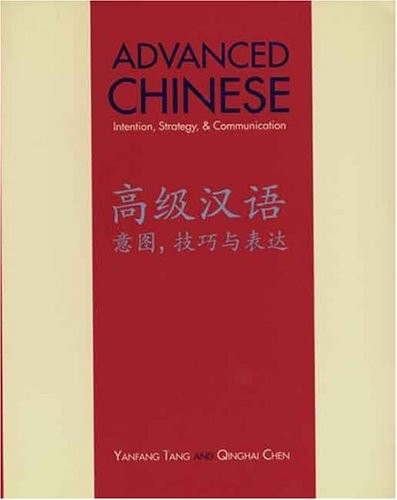

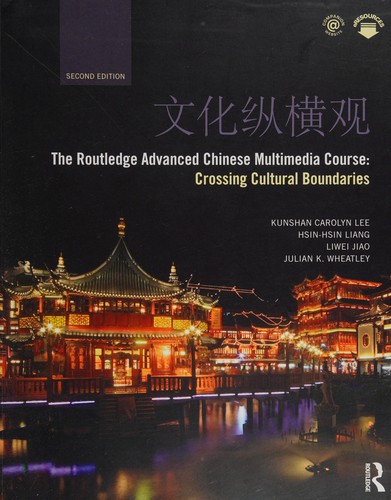
Chinese: A Comprehensive Grammar