Chinese Grammar Points
HSK 3
Elementary


96 grammar points covering everything from basic word order to complex sentence patterns. Each point includes clear explanations, real-world examples, and exercises to reinforce your learning.
structure
Chinese structure is logical and consistent — learn the framework, not just the words.
HSK 3 Requirements
What the official HSK 3.0 syllabus asks for at this level, and the exam that tests it from 13 December 2026.
能用中文就生活、学习、工作场景进行有效交流。Can communicate effectively in Chinese in everyday, study and work situations.
Exam Structure
| Section | Questions | Time |
|---|---|---|
| Listening | 30 | about 23 min |
| Reading | 30 | 30 min |
| Writing | 10 | 20 min |
| Speaking test | — | about 15 min |
| Written paper | 70 | about 83 min |
The paper's time includes filling in your details and the answer sheet. The speaking test is taken separately.
Topics at this level
| Topic | In Chinese |
|---|---|
| Daily life | 日常生活 |
| Education | 教育情况 |
| Working life | 职场生活 |
| Nature and the environment | 自然与环境 |
| Society today | 当代社会 |
| Culture and tradition | 文化与传统 |
The syllabus's topic list (话题大纲) breaks these 6 into 22 subtopics and 54 in detail.
Sources: 中文水平考试 HSK 考试大纲, 中外语言交流合作中心 (Center for Language Education and Cooperation; published November 2025, in force July 2026), and 新版HSK(1–6级)考试结构与样题示例 (Chinese Testing International, December 2025). Words and characters are cumulative; grammar items are those new at this level. The exam time includes filling in your details and the answer sheet.
What's Inside Every Grammar Point
Each of our grammar points is a complete mini-lesson. We don't just tell you the rule — we show you how it works with real sentences, warn you about the traps other learners fall into, and give you exercises to make it stick. Whether you're studying for the HSK exam or building conversational fluency, every point is designed to take you from "I've seen this before" to "I can use this confidently." Clear, structured, and built for lasting progress — not just memorization.
Sentence Patterns
Every grammar point starts with a clear, visual pattern template showing exactly where each word goes. No guesswork — just fill in the slots and build correct sentences from day one.
In-Depth Explanations
Each point comes with a thorough breakdown of how the grammar works, why it exists, and how native speakers actually think about it. Where it helps, a cultural note adds the context.
Real-World Examples
Every rule is backed by graded example sentences — from simple beginner phrases to natural conversational Chinese. Each example has pinyin and an English translation, and many add a note on how it is used.
Common Mistakes
Learn what not to say. Each grammar point highlights the mistakes Chinese learners actually make, with side-by-side wrong vs. correct comparisons and clear explanations of why the error happens.
Interactive Exercises
Put your understanding to the test with multiple-choice questions, fill-in-the-blank drills, and translation challenges. Instant feedback and explanations help you learn from every attempt.
Tips & Study Strategies
Practical memory tricks, mnemonics and study advice, with homework prompts at the end to keep your practice focused and consistent.
Audio Pronunciations
Hear every example sentence and key word read aloud in Mandarin. Train your ear alongside your grammar — because understanding spoken Chinese is just as important as reading it.
Progress Tracking
Earn XP and unlock checkpoints as you work through each grammar point. Track your mastery across sections, monitor your study streaks, and watch your understanding grow from beginner to confident speaker.
The Prefix 老—: 老王, 老李
前缀:老—
Call friends and colleagues 老王 or 老李, and tell this 老 from "old"
Suffixes —家, —员 and —子: 画家, 服务员, 桌子
后缀:—家、—子、—员
Recognise and use nouns ending in 家, 员 and 子: 画家, 服务员, 桌子
Compass Points and the Middle: 东, 南, 西, 北, 中间
方位名词:东、南、西、北、北方、东方、南方、西方、中间
Say where places are with 东, 南, 西, 北 and 中间
Modal Verbs: 需要, 该, 应该, 愿意, 得
能愿动词:需要、该、应该、愿意、得
Say what you need to, should, are willing to and have to do
Separable Verbs: 放假, 见面, 结婚, 洗澡
动宾式离合词:放假、见面、结婚、洗澡
Use and split 放假, 见面, 结婚 and 洗澡 with 了, 过 or a count
Verb and Result Words: 离开, 完成, 分开
动补式离合词:离开、完成、分开
Use 离开, 完成 and 分开, including the forms 离不开 and 完不成
How and What Kind: 怎样
疑问代词:怎样
Ask how something is, how it went and what kind it is with 怎样
Any and Every with Question Words: 谁都, 想吃什么就吃什么
疑问代词的非疑问用法:任指
Say everyone, anything, nowhere and whatever you like with question words
Something, Somewhere, Someone: 什么, 哪儿, 谁
疑问代词的非疑问用法:不定指
Use 什么, 哪儿 and 谁 to mean something, somewhere and someone
Other People and Us: 别人, 咱们
人称代词:别人、咱们
Talk about other people with 别人, and say we with 咱们
Other Things and the Others: 别的, 其他
指示代词:别的、其他
Say other, anything else and the others with 别的 and 其他
Measure Words: 张, 双, 把, 辆, 种 and More
专用名量词:把、双、张、种、层、封、页、辆、节、所、班、段、头、句、公斤、斤、角、毛、刻、米
Count flat things, pairs, vehicles, kinds and more with HSK 3's twenty measure words
Borrowed Measure Words: 碗 and 盘
借用名量词:碗、盘
Count bowls of rice and plates of food with 碗 and 盘
Counting Actions: 口, 回, 遍, 声
动量词:口、回、遍、声
Count sips, visits, run-throughs and calls with 口, 回, 遍 and 声
Measure Word Reduplication: 个个, 张张
量词重叠:个个、张张
Say "every one of them" by doubling a measure word: 个个, 张张
Degree Adverbs: 比较, 还, 更, 特别, 挺, 有些, 越, 极
程度副词:比较、还、更、特别、挺、有些、越、极
Say how much with 比较, 更, 特别, 挺, 有些, 极 and 还
Scope Adverbs: 就, 一块儿, 一共, 只, 到处, 只是
范围副词:就、一块儿、一共、只、到处、只是
Say only, together, altogether and everywhere with six scope adverbs
Time Adverbs: 才, 马上, 先, 一会儿, 刚, 刚刚, 一直
时间副词:才、马上、先、一会儿、刚、刚刚、一直
Place actions in time with 才, 马上, 先, 一会儿, 刚 and 一直
Always, Again and Often: 总, 总是, 又, 常常
频率副词:总、总是、又、常常
Say always, again and often with 总, 总是, 又 and 常常
Two Things at Once: 一边吃一边说
关联副词:一边
Say that someone does two things at once with 一边
Modal Adverbs: 大概, 必须, 差不多, 一定, 好像, 几乎
情态副词:大概、必须、差不多、一定、好像、几乎
Say how sure you are, or what must happen, with six modal adverbs
Mood Adverbs: 当然, 其实, 终于, 才, 就
语气副词:当然、其实、终于、才、就
Add feeling with 当然, 其实, 终于, and the emphatic 才 and 就
No Need To: 不用 and 不必
否定副词:不必、不用
Say there is no need to do something with 不用 and 不必
For, To and About: 为, 向 and 关于
介词:为、向、关于
Say who an action is for or aimed at, and what something is about
Which Way: 向 for Direction
介词:向(引出方向、路径)
Say which way someone moves or looks, with 向
For the Sake of: 为了 and 为
介词:为了、为(引出目的、原因)
Say what someone does something for, with 为了 and 为
The Thing and the Doer: 把 and 被
介词:把、被
Bring in the thing acted on with 把, and the doer with 被
According To: 根据
介词:根据
Say what a statement or a choice is based on, with 根据
Or in Statements: 或者 and 或
连词:或、或者
Give two or more choices in a statement, with 或者 and 或
Joining Clauses 2: 如果, 只要, 只有, 不但, 而且, 可是, 可, 然后
连词:连接分句或句子
Join clauses with if, only if, as long as, but, then and what's more
If, at the End: 的话
助词:的话
Turn a phrase into a condition by putting 的话 after it
Appositive Phrases: 我的朋友小王 & 我们两个
同位短语
Name one person or thing twice in a row, as in 我的朋友小王
Verb-Complement Phrases 2: 买到, 听得懂 & 好极了
动补短语2
Build HSK 3's verb-complement phrases and put them in the right place
One by One: 一个一个, 两个两个 & 一天一天
数量重叠:数词+量词+数词+量词
Say one by one, two by two or day by day, with 一个一个
Neither Too Much Nor Too Little: 不A不B
四字格:不A不B
Say something is neither too much nor too little, with 不A不B
Before Long: 不一会儿
固定短语:不一会儿
Tell that something happened soon after, with 不一会儿 and 就
It Seems: 看来
固定短语:看来
Draw a conclusion from what you have seen or heard, with 看来
In Someone's View: 在……看来
固定短语:在……看来
Say whose opinion something is, with 在……看来
More and More: 越来越
固定短语:越来越
Describe a change that keeps growing over time, with 越来越
Looks and Seems: 看起来
固定短语:看起来
Say how someone or something looks or seems, with 看起来
How It Looks: 看上去
固定短语:看上去
Describe how someone or something looks to the eye, with 看上去
Generally Speaking: 一般来说
固定短语:一般来说
Say what is usually true, with 一般来说 at the start
Not Much Good: 不怎么样
固定短语:不怎么样
Say mildly that something is not very good, with 不怎么样
Besides and Except: 除了……(以外)
固定格式:除了……(以外),……还/也/都……
Say 'besides X, also' and 'except X, all' with 除了
From Then On: 从……起
固定格式:从……起
Say from when a change or a rule starts, with 从……起
For Someone: 对……来说
固定格式:对……来说
Say what something is like for a particular person, with 对……来说
Not a Single One: 一……也/都+不/没……
固定格式:一……也/都+不/没……
Say 'not a single one' with 一 + measure word + 也/都 + 不/没
Not at All: 一点儿也不
固定格式:一点儿也不
Say 'not at all' with 一点儿也不 and 一点儿也没
The More…, the More…: 越……越……
固定格式:越……越……
Link two changes, 'the more…, the more…', with 越……越……
Before and After: 以前, 以后, 前 and 后
固定格式:(在)……以前/以后/前/后
Place one event before or after another, with 以前, 以后, 前 and 后
What's the Fuss: X什么(啊)
固定格式:X什么(啊)
Tell someone close not to do or feel something, with X什么(啊)
It's Time: 该……了
固定格式:该……了
Say it is time to do something, or whose turn it is, with 该……了
In, Under and During: 在……上, 在……下, 在……中
固定格式:在……上/下/中
Say in which area, with whose help or during what something happens
Actions and Qualities as the Subject: 学汉语很有意思
动词或动词性短语、形容词或形容词性短语作主语
Talk about an action or a quality itself, as in 学汉语很有意思
A Small Sentence as the Subject: 他不来也没关系
主谓短语作主语
Comment on a whole situation, as in 他不来也没关系
Several Words Before a Noun: 我的那两本新书
多项定语
Put several describing words before one noun in the usual order
Results After the Verb 2: 买到, 记住, 拿走, 关上
结果补语2:动词+到/住/走/上
Say that an action succeeded, held fast, took something away or shut something
Directions as Results: 想出, 想起, 写下
趋向补语的引申用法:表示结果意义(动词+出/起/下)
Say you thought of, recalled or noted something, with 出, 起 and 下
Starting Up: 笑起来, 下起雨来, 喜欢上
趋向补语的引申用法:表示动作行为的开始(动词+上/起来)
Say that an action or a feeling has started, with 起来 and 上
Carrying On: 说下去, 坚持下来
趋向补语的引申用法:表示动作行为的持续(动词+下去/下来)
Say that someone keeps going, or has kept going, with 下去 and 下来
Can and Can't After the Verb: 听得懂, 听不懂
可能补语1:动词+得/不+动词/形容词
Say whether you can manage an action, as in 听得懂 and 买不到
Very, After the Word: 好得很, 冷得很
程度补语1:形容词+得很
Say that something is very much so, with 得很 after the adjective
Extremely and Terribly: 好极了, 累坏了
程度补语1:形容词/动词+极了/坏了
Say that something is extremely so with 极了, or terribly so with 坏了
How Long Since: 他来中国两年了
数量补语3:表示动作结束到某个时间点的间隔时间
Say how long ago something happened, as in 他来中国两年了
Asking How to Do It: 怎样 + Verb
“怎样+动词”的特指问句
Ask how to do something, or how it was done, with 怎样
Isn't It? 不是……吗?
反问句1:用反问句表示强调:不是……吗?
Remind someone of what they should know, with 不是……吗?
Putting Things in Place with 把: 把书放在桌子上
“把”字句1:主语+把+宾语+动词+在/到+处所
Say where you put, move or take something, with 把 and 在 or 到
Giving Something with 把: 把书还给他
“把”字句1:主语+把+宾语1+动词(+给)+宾语2
Say who you give, return, lend or sell a known thing to, with 把
Changing Something with 把: 把作业做完了
“把”字句1:主语+把+宾语+动词+结果补语/趋向补语/状态补语
Say what you did to a known thing and how it changed, with 把
The Passive with 被: 自行车被小王骑走了
被动句1:主语+被+宾语+动词+其他成分
Say what someone or something did to a person or thing, with 被
被 Without the Doer: 那本书被借走了
被动句1:主语+被+动词+其他成分
Say what happened to something when who did it is unknown or unimportant
Doing One Thing While Doing Another: 笑着说
连动句2:动词1+着+动词2
Say how, or in what state, someone does something, with 着: 笑着说
Even More with 比: A 比 B 更/还 + Adjective
比较句2:A比B+更/还+形容词
Say A is even taller, colder or better than B, with 更 or 还
The Same or Different: A 跟 B 一样
比较句2:A跟B一样
Say two things are the same, or different, with 跟……一样 and 不一样
As … As: A 跟 B 一样 + Adjective
比较句2:A跟B一样+形容词
Say A is as tall, hot or good as B, with 跟……一样
No More … Than: A 不比 B + Adjective
比较句2:A不比B+形容词
Correct a comparison by saying A is no more … than B, with 不比
How Much More Someone Did: 比 with 多, 少, 早 and 晚
比较句2:A比B+多/少/早/晚+动词+数量短语
Say how much more, less, earlier or later someone did something
Someone Arrives: 前面走过来一个人
存现句3:表示出现
Say that someone or something has come to a place, with the place first
Someone Leaves: 我们班走了两个同学
存现句3:表示消失
Say that someone or something has gone from a place, with the place first
Stressing Your View: 是……的
“是……的”句2:强调说话人的看法或态度
Make your view sound firm and sure by putting 是 and 的 round it
Saying the Verb Twice: 说汉语说得很好
重动句:主语+动词+宾语+动词+补语
Say how well or how long someone did something that has an object
First This, Then That: 先……,再/然后……
承接复句:先……,再/然后……
Put two actions in order with 先 and 再 or 然后
Either … Or: 或者……,或者……
选择复句:或者……,或者……
Set out two or more options, each led by 或者
One Moment, the Next: 一会儿……,一会儿……
并列复句:一会儿……,一会儿……
Describe two things taking turns quickly, with 一会儿……,一会儿……
Both … and …: 又……,又……
并列复句:又……,又……
Say that two things are both true, with 又……又……
At the Same Time: 一边……,一边……
并列复句:一边……,一边……
Say someone does two things at the same time, with 一边……,一边……
Not Only … But Also: 不但……,而且……
递进复句:不但……,而且……
Add a second point that goes further, with 不但……,而且……
Although … Yet: 虽然……,可是……
转折复句:虽然……,可是……
Admit one point and turn to another, with 虽然……,可是……
If … Then: 如果……,就……
假设复句:如果……,就……
Say what will happen if something is true, with 如果……,就……
Ending a Condition with 的话: ……的话,就……
假设复句:……的话,就……
Close a condition with 的话 and give its result with 就
Only If: 只有……,才……
条件复句:只有……,才……
Name the one condition a result needs, with 只有……,才……
As Long As: 只要……,就……
条件复句:只要……,就……
Say that one condition is enough, with 只要……,就……
In Order To: 为了……,……
目的复句:为了……,……
Give a purpose first, then what is done for it, with 为了
Straight After: ……了……(就)……
紧缩复句:……了……(就)……
Say one action follows straight after another, with verb + 了 and 就
About Thirty: 大概 Before a Number
概数表达法:用“大概”表示概数
Give a rough number with 大概 before it: about thirty, roughly two hours
Three or Four: 三四个, 十七八岁
概数表达法:相邻数词连用表示概数
Give an estimate with two neighbouring numbers: 三四个, 五六天, 十七八岁
Recommended books
Books chosen for HSK 3 — grammar references and course books that cover the patterns on this page. Full list on the HSK 3 books page.
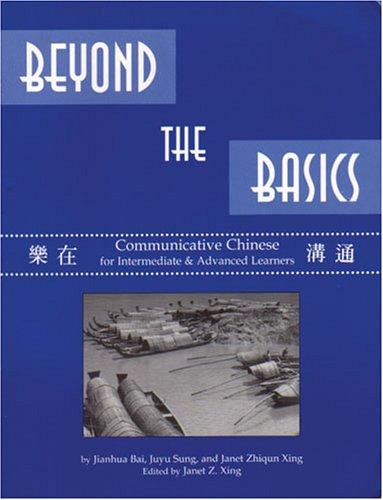

Complete Mandarin Chinese

Contemporary Chinese (当代中文)

Developing Chinese
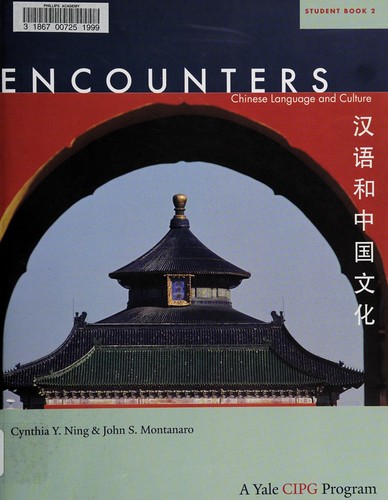
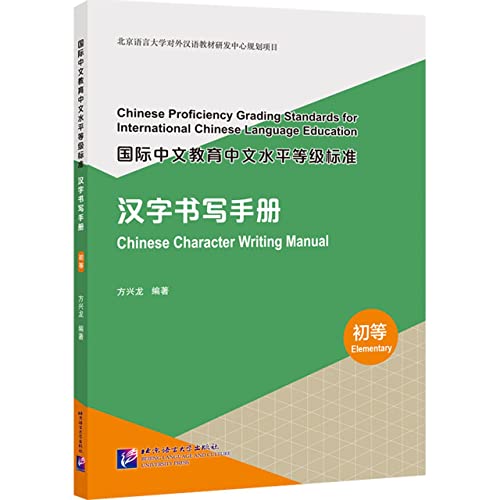


HSK Standard Course 3

Integrated Chinese

New HSK Course 3 — Textbook

