
Chinese Grammar Points
HSK 3
Elementary


81 grammar points covering everything from basic word order to complex sentence patterns. Each point includes clear explanations, real-world examples, and exercises to reinforce your learning.
structure
Chinese structure is logical and consistent — learn the framework, not just the words.
Band 3 Requirements
Official HSK 3.0 quantitative criteria — what you need to know and how you'll be tested.
Exam Structure
| Section | Questions | Duration |
|---|---|---|
| Listening | 40 | ~35 min |
| Reading | 30 | 30 min |
| Writing | 10 | 15 min |
Proficiency Standards
Understand conversations on social, academic, and professional topics with average complexity.
Communicate in daily social interactions, express opinions, and handle routine situations at work or school.
Read news articles, notices, and correspondence with an average level of comprehension.
Write structured paragraphs, short essays, and formal correspondence on familiar topics.
Source: 新版HSK考试大纲 (HSK 3.0 official syllabus, 国家汉办 / Chinese Testing International). Score validity: 2 years from exam date.
What's Inside Every Grammar Point
Each of our grammar points is a complete mini-lesson. We don't just tell you the rule — we show you how it works with real sentences, warn you about the traps other learners fall into, and give you exercises to make it stick. Whether you're studying for the HSK exam or building conversational fluency, every point is designed to take you from "I've seen this before" to "I can use this confidently." Clear, structured, and built for lasting progress — not just memorization.
Sentence Patterns
Every grammar point starts with a clear, visual pattern template showing exactly where each word goes. No guesswork — just fill in the slots and build correct sentences from day one.
In-Depth Explanations
Each point comes with a thorough breakdown of how the grammar works, why it exists, and how native speakers actually think about it. Cultural notes add the context textbooks leave out.
Real-World Examples
Every rule is backed by graded example sentences — from simple beginner phrases to natural conversational Chinese. Each example includes pinyin, English translation, and usage notes so nothing is left unclear.
Common Mistakes
Learn what not to say. Each grammar point highlights the mistakes Chinese learners actually make, with side-by-side wrong vs. correct comparisons and clear explanations of why the error happens.
Interactive Exercises
Put your understanding to the test with multiple-choice questions, fill-in-the-blank drills, and translation challenges. Instant feedback and explanations help you learn from every attempt.
Tips & Study Strategies
Practical memory tricks, mnemonics, and study advice written by experienced Chinese teachers. Each grammar point ends with homework prompts to keep your practice focused and consistent.
Audio Pronunciations
Hear every example sentence and key vocabulary spoken by native Mandarin speakers. Train your ear alongside your grammar — because understanding spoken Chinese is just as important as reading it.
Progress Tracking
Earn XP and unlock checkpoints as you work through each grammar point. Track your mastery across sections, monitor your study streaks, and watch your understanding grow from beginner to confident speaker.
Prefixes: 第~, 老~, 小~
前缀:第~、老~、小~
Use the prefixes 第, 老, and 小 to form ordinal numbers and familiar forms of address
Suffixes: ~儿, ~家, ~们, ~头, ~子
后缀:~儿、~家、~们、~头、~子
Understand and use five common Chinese noun suffixes to form new words and express plural or categorical meaning
Modal Verb: 敢 (dare)
能愿动词:敢
Use the modal verb 敢 to express courage, daring, or the nerve to do something
Modal Verb: 需要 (need)
能愿动词:需要
Use 需要 to express necessity, needs, and requirements in various contexts
Separable Verbs (Verb-Object Compounds)
动宾式离合词
Understand and correctly use separable verbs like 帮忙, 见面, 结婚, and others where elements can be split apart
Verb-Complement Separable Compounds
动补式离合词:打开、看见、离开、完成
Use verb-complement compounds and understand how potential complements (得/不) split them apart
Non-Interrogative Use of Question Pronouns
疑问代词的非疑问用法
Use question words like 谁, 什么, 哪儿, 怎么 in non-question contexts to express universal reference, indefinite reference, and correlative patterns
Demonstrative Pronouns: 各, 每, 任何
指示代词:各、各位、各种、每、任何
Use 各, 各位, 各种, 每, and 任何 to express "each," "every," "all kinds," and "any" in various contexts
Nominal Measure Words
名量词:把、行、架、群、束、双、台、张、支、只、种
Correctly use eleven new measure words for objects, animals, and abstract categories
Verbal Measure Words: 顿, 口, 眼
动量词:顿、口、眼
Use the verbal measure words 顿, 口, and 眼 to quantify actions like scolding, sipping, and glancing
Measure Word Reduplication: AA Pattern
量词重叠:AA
Use reduplicated measure words to express "every" or "each" in Chinese
Degree Adverbs: 比较, 更加, 还, 相当
程度副词:比较、更加、还³、相当
Express nuanced degrees of intensity using 比较, 更加, 还, and 相当
Scope Adverbs: 光, 仅, 仅仅, 就, 至少
范围、协同副词:光、仅、仅仅、就³、至少
Use scope adverbs to express limitation ("only") and minimum thresholds ("at least")
Time Adverbs: 本来, 才, 曾经, 从来, 赶紧, 赶快, 立刻, 连忙, 始终, 已, 早已
时间副词:本来、才²、曾经、从来、赶紧、赶快、立刻、连忙、始终、已、早已
Express nuanced time relationships including original plans, lateness, past experience, urgency, and persistence
Frequency Adverbs: 通常, 往往, 总, 总是
频率、重复副词:通常、往往、总、总是
Describe habitual actions and recurring patterns using frequency adverbs
Correlative Adverb: 再 (Sequential Actions)
关联副词:再²
Use 再 to sequence actions, expressing "do A first, then do B"
Manner Adverbs: 互相, 尽量, 亲自, 相互
方式副词:互相、尽量、亲自、相互
Describe how actions are performed using manner adverbs for reciprocity, effort, and personal involvement
Modal Adverbs: 大概, 恐怕
情态副词:大概、恐怕
Express probability and concerned speculation using 大概 and 恐怕
Tone/Mood Adverbs: Expressing Attitudes and Emphasis
语气副词:白、并、当然、到底、反正、根本、果然、简直、绝对、难道、其实、千万、确实、只好、终于
Use mood adverbs to express frustration, emphasis, surprise, certainty, and other attitudes
Preposition 由: Introducing Origin/Source
介词引出时间、处所:由¹
Use the preposition 由 to indicate a starting point, origin, or agent in formal contexts
Preposition: 自从 (Ever Since)
介词:自从
Use 自从 to express that something has been the case ever since a particular time or event
Preposition: 朝 (Towards / Facing)
介词:朝
Use 朝 to indicate the direction someone faces or moves towards
Preposition: 为 (For / On Behalf Of)
介词:为
Use 为 to introduce the person or thing that benefits from an action
Preposition: 向 (Towards / To)
介词:向
Use 向 to express direction of action or the target of learning, asking, or reporting
Cause Prepositions: 由于 & 因为
介词:由于、因为
Use 由于 and 因为 to introduce the cause or reason for a situation
Preposition: 为了 (In Order To)
介词:为了
Use 为了 to express purpose — the reason or goal behind an action
Disposal & Passive: 把, 被, 叫, 让
介词:把、被、叫、让
Use 把 for disposal constructions and 被/叫/让 for passive constructions
Preposition: 除了 (Besides / Except)
介词:除了
Use 除了 to express inclusion (besides/in addition to) or exclusion (except for)
Prepositions: 按 & 按照 (According To)
介词:按、按照
Use 按 and 按照 to express doing something according to a standard, rule, or method
Clause Connectors: 并且, 不光, 不仅, 另外, 要是, 因此, 由于, 只有
连接分句或句子:并且、不光、不仅、另外、要是、因此、由于、只有
Use eight key conjunctions to connect clauses and build complex, well-structured Chinese sentences
Onomatopoeia: 哈哈 (Haha)
拟声词:哈哈
Understand and use the onomatopoeia 哈哈 to express laughter in both spoken and written Chinese
Phrase Structure Types (Part 2)
其他结构类型2
Recognize and produce four important phrase types: prepositional phrases, positional phrases, pivotal constructions, and appositive phrases
Numeral-Measure Word Reduplication
数量重叠:数词 + 量词 + 数词 + 量词
Use the pattern "number + measure word + number + measure word" to express iteration and progression such as "one by one" or "day by day"
The 不A不B Pattern
不A不B
Use the four-character pattern 不A不B to express "neither A nor B" or "just right — not too much of either extreme"
Fixed Phrase: 看起来 (Looks Like / Appears)
看起来
Use 看起来 to express how something appears or seems based on overall impression
Fixed Phrase: 看上去 (Looks / Appears)
看上去
Use 看上去 to describe how something looks based on visual impression, and distinguish it from 看起来
Fixed Phrase: 有的是 (There's Plenty Of)
有的是
Use 有的是 to emphasize abundance — that there is plenty of something
Pattern: 除了……(以外),……还/也/都……
除了……(以外),……还/也/都……
Use the 除了 pattern to express "besides X, also Y" (inclusive) and "except for X, all Y" (exclusive)
Pattern: 从……起 (Starting From)
从……起
Use the 从……起 pattern to mark a starting point in time for an action or situation
Pattern: 对……来说 (As For / From the Perspective Of)
对……来说
Use 对……来说 to frame a statement from a specific person's or group's perspective
Not Even One: 一...也/都+不/没...
一……也/都+不/没……
Emphasize total absence or complete negation using the 一...也/都+不/没 pattern
The More...The More: 越...越...
越……越……
Express progressive change or correlation between two things using 越...越...
Verb/Adjective Phrases as Subject
动词或动词性短语、形容词或形容词性短语作主语
Use verb phrases and adjective phrases as the subject of a sentence
Verb/Adjective/Clause as Object
动词或动词性短语、形容词或形容词性短语和主谓短语作宾语
Use verb phrases, adjective phrases, and subject-predicate clauses as objects of verbs
Verb Phrases as Attributives (Modifiers)
动词或动词性短语、主谓短语作定语
Use verb phrases and subject-predicate phrases to modify nouns using 的
Result Complement 2: Verb + 到/住/走
结果补语2:动词+到/住/走
Express the result of an action using the complements 到, 住, and 走
Compound Directional Complements
趋向补语2
Use compound directional complements to express complex movement directions
Potential Complement: V+得/不+Result
可能补语1:动词+得/不+动词/形容词;动词+得/不+了
Express whether an action can or cannot achieve a certain result using potential complements
Degree Complement: 得很, 极了, 死了
程度补语1:形容词/心理动词+得很/极了/死了
Express extreme degrees using the complements 得很, 极了, and 死了
Action Measure Complement with Objects
数量补语3(动词+动量补语):宾语和动量补语共现
Correctly position action measure complements when they co-occur with objects
Duration Complement: How Long an Action Lasts
数量补语4(动词+时量补语):表示动作持续的时间
Express how long an action lasts using a duration complement after the verb
Duration Complement: Interval After Action Completion
数量补语5(动词+时量补语):表示动作结束后到某个时间点的间隔时间
Express how much time has elapsed since an action was completed
Subject-Predicate Predicate Sentences
主谓句4:主谓谓语句
Build sentences where the predicate itself is a subject-predicate phrase
把-Sentences 1: Expressing Disposal and Placement
"把"字句1:表处置
Use 把 to express what is done to a specific object — moving, giving, or changing it
Passive Sentences with 被, 叫, and 让
被动句1:主语+被/叫/让+宾语+动词+其他成分
Express passive meaning using 被, 叫, or 让 to indicate the subject is affected by an action
Serial Verb Sentences 2: Manner and Purpose
连动句2
Connect two verbs in one sentence where the first shows manner or the second shows purpose
Pivotal Sentences: Making Someone Do Something
兼语句1
Express asking, ordering, or causing someone to do something using pivotal verbs like 叫, 派, 请, and 让
Comparison Sentences 4: Advanced 比 Patterns
比较句4
Master four advanced comparison patterns using 比 with complements, negation, and specific quantities
Verb Copying: Subject + V + Object + V + Complement
重动词:主语+动词+宾语+动词+补语
Copy (repeat) the verb to attach a complement when the verb already has an object
Parallel 也...也...: Both...And...
(也)……,也……
Express that two or more things are equally true using the 也...也... parallel structure
One Moment… the Next Moment…
一会儿……,一会儿……
Describe rapid alternation between two actions or states using the 一会儿……一会儿…… pattern
On One Hand… On the Other Hand…
一方面……,另一方面……
Present two aspects of a situation using the 一方面……另一方面…… structure
Both… and… (又…又…)
又……,又……
Describe two qualities or actions that exist simultaneously using the 又……又…… pattern
First… Then… (首先…然后…)
首先……,然后……
Narrate sequential actions using the 首先……然后…… pattern for clear, ordered descriptions
And Moreover (并且)
……,并且……
Connect two related clauses where the second adds further information using 并且
Not Only… But Also…
不仅/不光……,还/而且……
Express progressive emphasis using the not only…but also… pattern with its variations
If Not… Then… (不是…就是…)
不是……,就是……
Express that a situation is limited to one of two possibilities using 不是……就是……
X is X, But… (Concessive Pattern)
……X是X,就是/不过……
Acknowledge a quality while introducing a reservation or drawback using the concessive X是X pattern
If… Then… (要是…就…)
要是……,就……
Express hypothetical conditions and their results using the 要是……就…… pattern
Only If… Then… (只有…才…)
只有……,才……
Express that a result can only happen under a specific necessary condition using 只有……才……
Causal Compound: (由于)...所以/因此...
(由于)……,所以/因此……
Construct formal cause-and-effect sentences using 由于...所以/因此...
Purpose Compound: 为了..., ...
为了……,……
Express purpose and motivation using 为了 at the beginning of a sentence
Tight Sequence: ...了...(就)...
……了……(就)……
Express actions that happen in tight sequence using the 了...(就)... pattern
Approximate Numbers 2
概数表示法2
Express approximate quantities using 大概, 大约, 几, adjacent numbers, 左右, and 前后
Emphasis with 一点儿也不...
用"一点儿也不……"表示强调
Use 一点儿也不/没 to emphatically negate — meaning "not at all"
Rhetorical Questions for Emphasis
用反问句表示强调
Use rhetorical questions with 不是...吗 and 难道...吗 to emphasize a point
Using 是 for Emphasis
用"是"强调
Use 是 before adjectives and verbs to add emphasis, meaning "indeed / really"
Questions Using Intonation
用疑问语调表示疑问
Form questions by simply raising your intonation at the end of a statement, without any question words or particles
Colloquial 都...了 (Already)
都……了
Use 都...了 to express that something has already reached a certain point, often with impatience or urgency
Acceptance Pattern: X就X(点儿)吧
X就X(点儿)吧
Express reluctant acceptance or resignation using the pattern X就X(点儿)吧
Dismissive Pattern: X什么(啊)
X什么(啊)
Use X什么(啊) to dismissively tell someone not to do something or to deny a quality
Recommended books
Books chosen for HSK 3 — grammar references and course books that cover the patterns on this page. Full list on the HSK 3 books page.
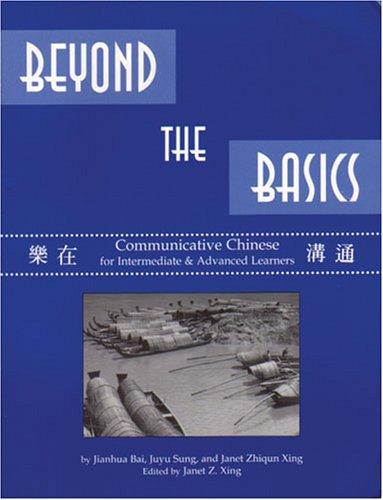

Complete Mandarin Chinese

Contemporary Chinese (当代中文)

Developing Chinese
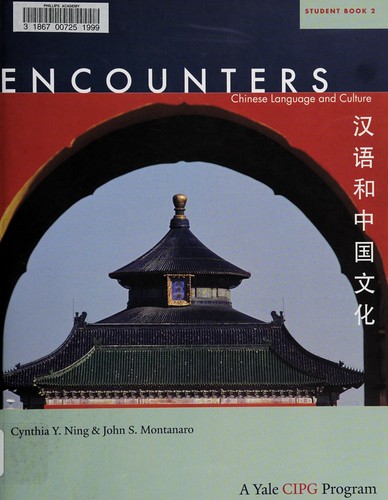
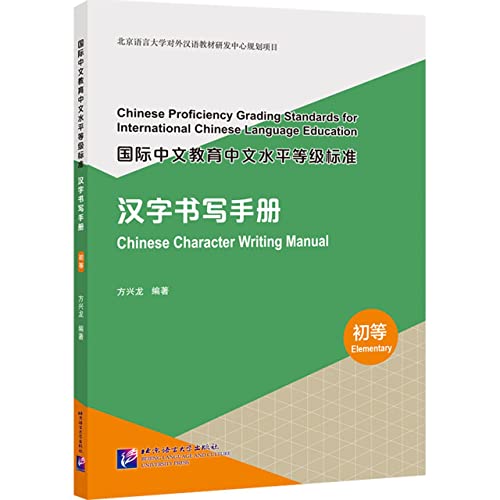


HSK Standard Course 3

Integrated Chinese

New HSK Course 3 — Textbook

