
November 17, 2026 · 星期二
Mountain Passes
关口· to close

 Today’s episode with Jason and Amy
The term 关 reflects both the physical and symbolic role of mountain passes as 'gates' in history.
立冬 marks the beginning of winter, when the harvest is stored away and the land settles into rest. The cold deepens, water begins to freeze, and creatures retreat into shelter and stillness.
Northerners eat dumplings (饺子) on this day, their shape recalling ears to protect against frostbite in the coming cold.
Mountain Passes
关口guān kǒu
Mountain passes, known as 关口 (guān kǒu) in Chinese, are strategic points often found where mountains meet valleys or plains. These passes have historically held great significance, especially in China, where they served as critical junctions along the Silk Road and the Great Wall[1]. Jiayuguan Pass, one of the most renowned passes, marks the end of the Great Wall in the west. It was constructed during the Ming Dynasty and was crucial for defense and trade, controlling the flow of goods and people into and out of China[2].
The word 关 (guān), meaning "to close," is fitting for these passes as they acted as gates that could be closed to protect against invasions or to monitor trade. These mountain passes not only served as defensive fortifications but also as cultural melting pots, where travelers from different regions would exchange goods, ideas, and stories[3]. The architecture of these passes often included watchtowers and walls, allowing for surveillance and communication across long distances.
Today, some of these ancient passes, like Jiayuguan, are preserved as historical sites, attracting visitors eager to explore China's rich heritage. They remind us of the interconnectedness of ancient trade routes and the cultural exchanges that occurred over centuries. As you reflect on the importance of 关 today, consider how these gateways have shaped historical and cultural landscapes, linking distant corners of the world.
The term 关 reflects both the physical and symbolic role of mountain passes as 'gates' in history.
嘉峪关是古代的关口。
Jiāyùguān shì gǔdài de guānkǒu.
Jiayuguan is an ancient mountain pass.
- [1] 《长城》 The Great Wall by Luo Zhewen
- [2] 《嘉峪关史话》 Jiayuguan Historical Narratives
- [3] 《丝绸之路文化》 Silk Road Culture
Jason & Amy on 关
Podcast: Dragon Daily: Mountain Passes — and the word 关
Jason & Amy on Mountain Passes and 关
New here?
November 17, 2026
Explore key figures in Chinese history, with a focus on influential individuals in cultural and intellectual arenas.
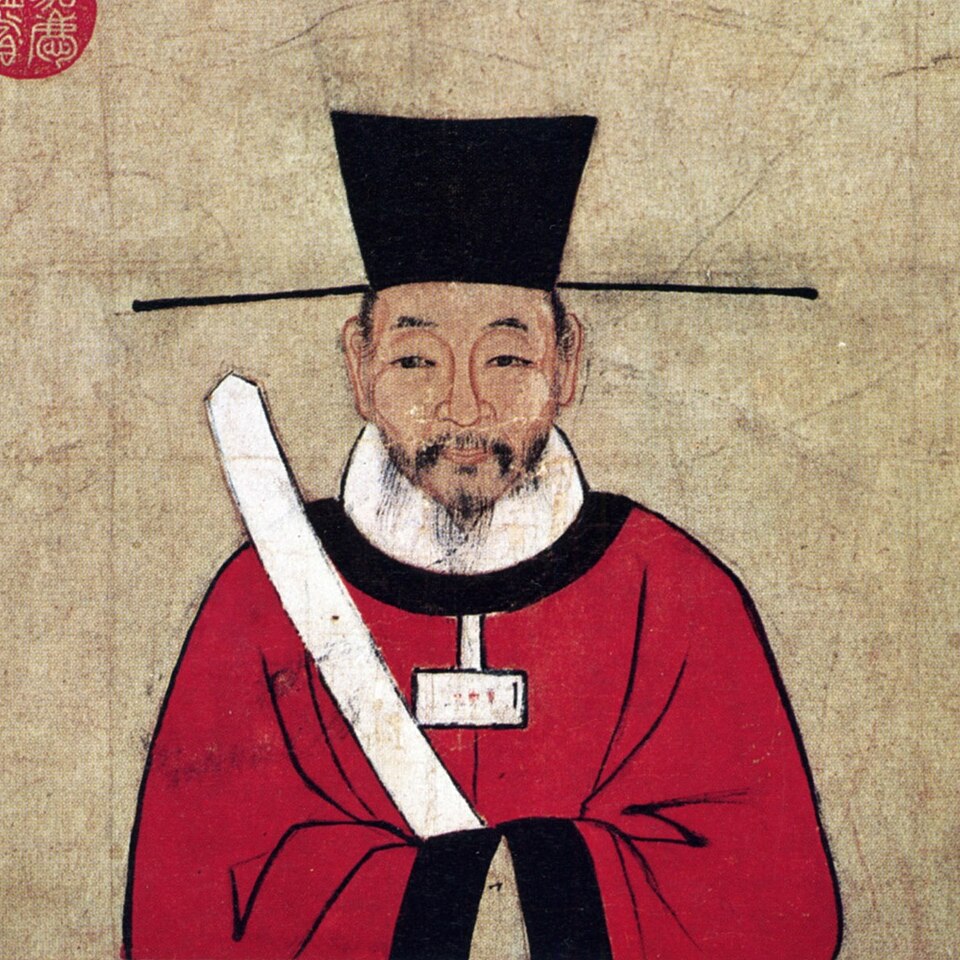
Annonymous / Wikimedia Commons (Public domain) source Birth of Chinese Historian Sima Guang 司马光
Sima Guang was a prominent historian and scholar during the Song Dynasty known for his comprehensive historical book, 'Zizhi Tongjian', which chronicles Chinese history from ancient times through the Tang dynasty.
His work remains a crucial source for understanding Chinese history and historiography.
Read more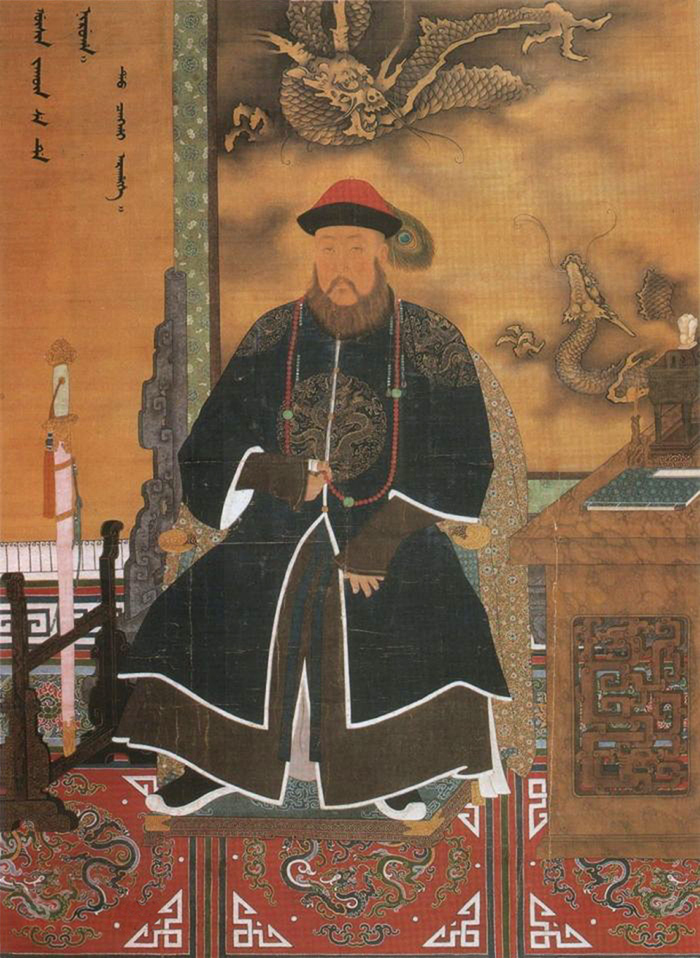
Unknown author Unknown author / Wikimedia Commons (Public domain) source Birth of Dorgon, Qing Dynasty Prince 多尔衮
Dorgon was a Manchu prince of the early Qing dynasty who played a key role in the dynasty's establishment. As a powerful regent, he helped consolidate Qing rule over China.
Dorgon's leadership was pivotal in shaping the initial phase of Qing rule, influencing the dynasty's politics and culture.
Read more
关门了。
Guānmén le.
The door is closed.
Shows the basic meaning of closing something.
山口是重要的关。
Shānkǒu shì zhòngyào de guān.
The mountain pass is an important gate.
Uses 关 to describe a strategic location.
他们关上了城门。
Tāmen guānshàng le chéngmén.
They closed the city gate.
Shows action of closing a gate, linking to defense.
关口是文化交流的桥梁。
Guānkǒu shì wénhuà jiāoliú de qiáoliáng.
Mountain passes are bridges for cultural exchange.
Metaphoric use showing the symbolic role of passes.
Using 关 as a verb
关 + object
The verb 关 means 'to close' and is used to describe the action of closing doors, windows, or other openings.
Use 关 when referring to closing or shutting an object like a door or a gate.
请关门。
Qǐng guān mén.
Please close the door.
把灯关上。
Bǎ dēng guānshàng.
Turn off the light.
他关上了窗户。
Tā guānshàng le chuānghu.
He closed the window.
What does 关 mean?
How is 关 pronounced?
How do you write "to close" in Chinese?
Listen. What does the sentence mean?
请___门。(Please ___ the door.)
请关门。 — What does this sentence mean?
What is Jiayuguan known for?
Arrange into a correct sentence
Which historical figure is known for the 'Zizhi Tongjian'?
Dorgon was a significant figure during which Chinese dynasty?
Frequently asked questions about the word 关
You can use it like this: '请关门' (qǐng guān mén) which means 'Please close the door.'
No, it can also mean to be concerned or involved in something, such as in '我关心你' (wǒ guān xīn nǐ) meaning 'I care about you.'
关 is more commonly used in everyday language, while 关闭 (guān bì) is more formal and typically used in written contexts.
Chinese Learner’s Horoscope
Your sign’s reading for today, written for learners.
Find your sign
The Chinese zodiac assigns each birth year one of twelve animals, each paired with an element that colours its character. Yours shapes a reading written for learners.
- Your sign and its elementOne of twelve animals on a 12-year cycle
- A daily affirmationFresh every morning, never repeated
- A learning horoscopeWhat to study today, and when
- A lucky characterWith pinyin, meaning and a study tip
Your birth date
Saved on this device — used only to work out your zodiac sign.
Today's Mandarin word: 关 (guān) — to close.
Learn it on Mandarin Temple's Dragon Daily 🐉