
Podcast


Podcast: Food as Medicine: The Healing Kitchen
Listen to Jason & Amy discuss Food as Medicine: The Healing Kitchen
New here?
Shennong and the Origins of Dietary Therapy
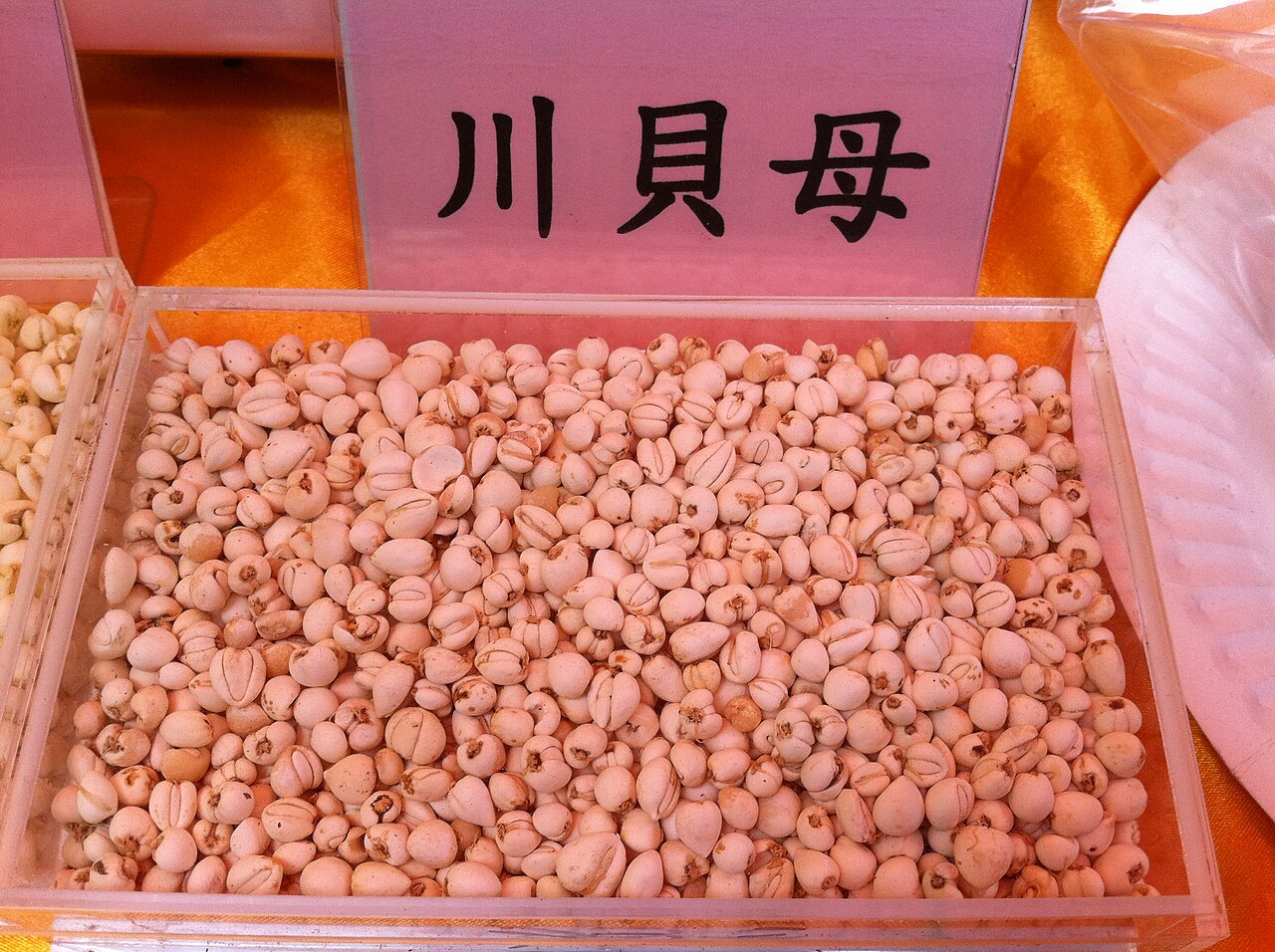
The Chinese tradition of food as medicine begins, like so many Chinese traditions, with a myth that encodes a profound truth. Shennong (神农, the Divine Farmer), one of the legendary Three Sovereigns who ruled before recorded history, is credited with tasting hundreds of plants to determine their medicinal and nutritional properties — a process of trial and error that, according to legend, poisoned him seventy times in a single day. The Shennong Bencao Jing (神农本草经, Classic of the Divine Farmer's Materia Medica), compiled during the Han dynasty but attributed to Shennong himself, classifies 365 substances into three categories: superior herbs that nourish life and can be taken long-term, middle herbs that are therapeutic but must be used with caution, and inferior herbs that are toxic and suitable only for acute conditions. Significantly, many of the "herbs" in this pharmacopoeia are common foods — dates, ginger, sesame, honey, rice — reflecting a foundational Chinese assumption that the boundary between food and medicine is not a wall but a spectrum.
This assumption — that food and medicine share a common origin and a common logic — is expressed in the classical formulation 药食同源 (yào shí tóng yuán, "medicine and food share the same source"), a principle that has guided Chinese dietary practice for over two millennia. As the medical historian Paul Unschuld (1986) has documented, this concept distinguishes Chinese medicine sharply from the Western biomedical tradition, which has historically treated food and medicine as separate categories governed by different professional authorities. In the Chinese system, the physician is always also a dietitian, and the kitchen is always also a pharmacy. The most celebrated physicians in Chinese history — Zhang Zhongjing, Sun Simiao, Li Shizhen — all wrote extensively about food therapy, regarding diet as the first line of treatment and drugs as a last resort.
The Shennong legend also encodes a methodological principle: empirical observation. Whatever the historical reality of a single taster-hero, the tradition of systematically categorizing foods by their effects on the body reflects centuries of careful observation, passed down through oral tradition and eventually codified in written texts. The resulting knowledge system — refined through continuous practice over four thousand years — constitutes one of humanity's most extensive databases of the relationship between diet and health, a body of practical wisdom that modern nutritional science is only beginning to investigate with its own methods and frameworks.
Yin-Yang and the Five Flavors
The theoretical framework of Chinese dietary therapy rests on the same cosmological foundations as traditional Chinese medicine: the complementary forces of yin (阴) and yang (阳), and the Five Phases (五行, wǔ xíng) — wood, fire, earth, metal, and water — that cycle through the natural world and the human body. In this system, every food possesses an inherent thermal nature — hot, warm, neutral, cool, or cold — that is independent of its actual temperature. Ginger, chili pepper, and lamb are considered heating foods that strengthen yang energy; watermelon, mung beans, and tofu are cooling foods that nourish yin. The goal of dietary therapy is not to maximize the intake of any particular nutrient but to maintain the dynamic balance between yin and yang in the individual body, adjusting the diet according to the patient's constitution, the season, the climate, and the nature of any illness.
The Five Flavors — sour (酸, suān), bitter (苦, kǔ), sweet (甘, gān), pungent (辛, xīn), and salty (咸, xián) — provide a second axis of classification. Each flavor is associated with one of the Five Phases and, correspondingly, with a specific organ system: sour with the liver, bitter with the heart, sweet with the spleen, pungent with the lungs, and salty with the kidneys. A balanced meal should incorporate all five flavors, thereby nourishing all five organ systems simultaneously. An excess of any single flavor is harmful: too much sour injures the sinews, too much bitter dries the blood, too much sweet produces phlegm, too much pungent disperses the qi, and too much salty hardens the pulse. This framework, articulated most fully in the Huangdi Neijing (黄帝内经, The Yellow Emperor's Classic of Internal Medicine), provides a sophisticated grammar for thinking about diet that goes far beyond simple categories of "healthy" and "unhealthy."
The practical implications of this system are visible in everyday Chinese cooking. The Cantonese tradition of serving herbal cooling tea (凉茶, liáng chá) during the hot summer months, the northern Chinese custom of eating lamb hotpot in winter, the widespread practice of adding ginger to cold-natured seafood dishes — all of these reflect the yin-yang logic of dietary balance. As the anthropologist Eugene Anderson (1988) has noted, the remarkable thing about the Chinese dietary system is not its theoretical elegance but its practical effectiveness: centuries of observation have produced dietary prescriptions that, in many cases, align surprisingly well with the findings of modern nutritional science, even when the explanatory frameworks are radically different.
"Medicinal tonics are not as good as food tonics — food is the best medicine."
Chinese proverb (民间谚语)The Huangdi Neijing and Dietary Principles
The Huangdi Neijing (黄帝内经, The Yellow Emperor's Classic of Internal Medicine), compiled between the third and first centuries BCE, is the foundational text of Chinese medicine and the most authoritative source for classical dietary theory. Cast as a dialogue between the legendary Yellow Emperor (黄帝, Huángdì) and his physician Qi Bo (岐伯), the Neijing lays out a comprehensive vision of health in which diet is not merely one factor among many but the primary determinant of the body's vitality. The text's famous dictum — "The five grains nourish, the five fruits assist, the five meats supplement, the five vegetables complete" (五谷为养,五果为助,五畜为益,五菜为充) — establishes a dietary hierarchy that places grains at the center and treats other foods as complementary, a principle that has shaped Chinese eating patterns for two millennia.
The Neijing's dietary philosophy is fundamentally preventive rather than curative. The text repeatedly emphasizes that the wise physician treats disease before it manifests, primarily through the regulation of diet, exercise, sleep, and emotional equilibrium. The passage that has most influenced Chinese dietary culture is the injunction to eat in accordance with the seasons: warming, yang-nourishing foods in winter (ginger, garlic, lamb, cinnamon); cooling, yin-nourishing foods in summer (bitter melon, chrysanthemum tea, mung bean soup); foods that promote the circulation of qi in spring (scallions, leeks, sprouting vegetables); and foods that consolidate and preserve in autumn (pears, white fungus, lotus root). This seasonal eating philosophy — which anticipates by two millennia the modern locavore movement's emphasis on eating in harmony with natural cycles — is still actively practiced in Chinese households and restaurants today.
The Neijing also introduced the concept of constitutional types, recognizing that different individuals require different diets based on their inherent physical and temperamental characteristics. A person with a yang-dominant constitution — who tends toward heat, inflammation, and irritability — benefits from cooling, yin-nourishing foods. A person with a yin-dominant constitution — who tends toward cold, sluggishness, and fatigue — benefits from warming, yang-strengthening foods. This individualized approach to dietary therapy stands in marked contrast to the Western nutritional paradigm, which has historically sought universal dietary recommendations applicable to all people regardless of individual variation. As sinologist and medical historian Nathan Sivin (1987) has argued, the Chinese dietary system's greatest strength may be precisely this sensitivity to individual difference — a recognition that there is no single optimal diet for all human beings.
Medicinal Soups and Congees
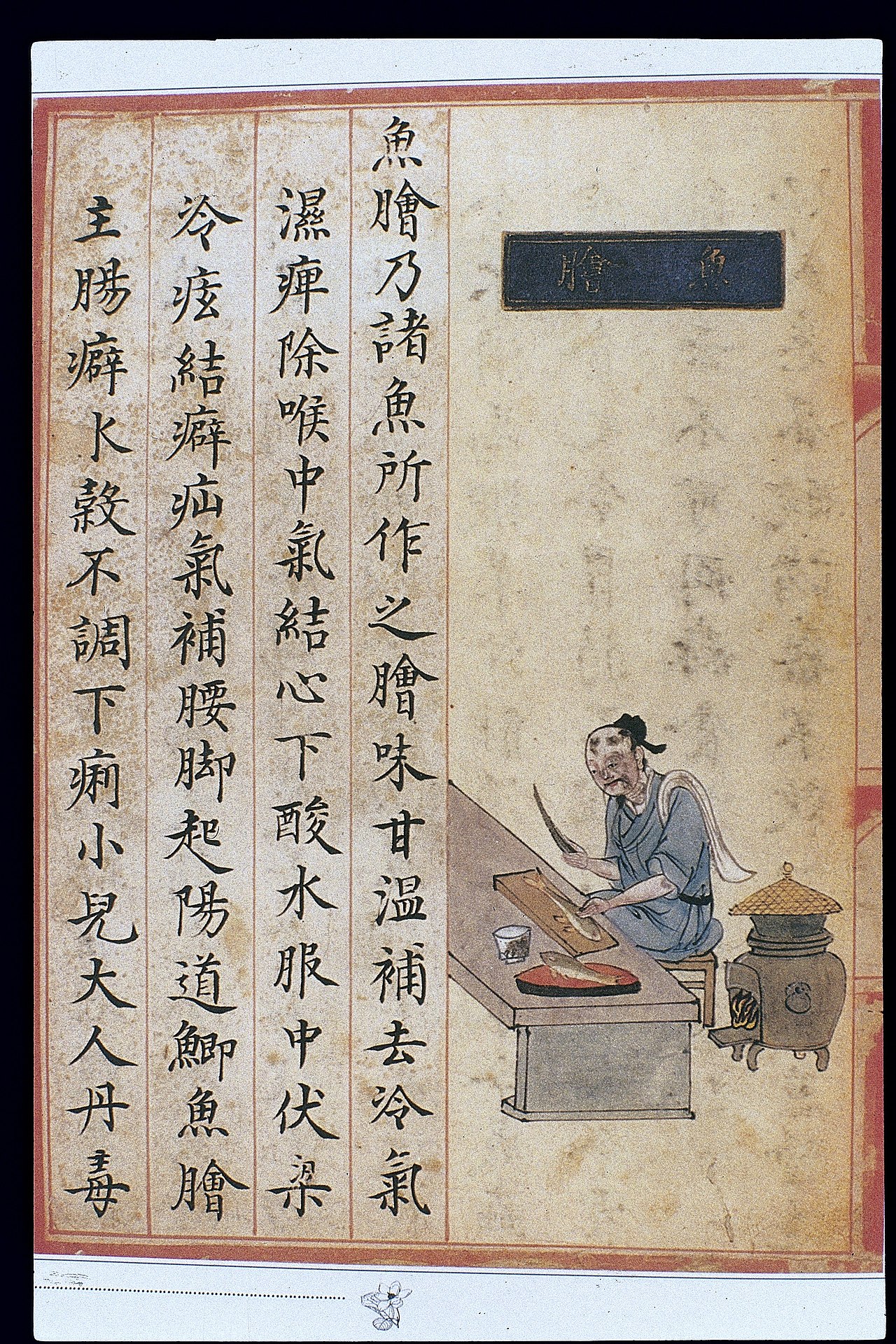
The most widely practiced form of Chinese dietary therapy is the medicinal soup (药膳汤, yàoshàn tāng) — a slow-simmered broth combining common food ingredients with traditional herbs, designed to address specific health conditions or to strengthen the body during periods of vulnerability. The Cantonese tradition is particularly rich in medicinal soups, and in Guangdong province, the preparation and consumption of tonic soups is not a fringe practice but a central feature of daily domestic life. A Cantonese mother's knowledge of soup-making — knowing which herbs to combine with which meats and vegetables, when to serve cooling soups and when to serve warming ones, how to adjust recipes for children, the elderly, pregnant women, and the convalescent — represents an inherited pharmacological knowledge of formidable depth and sophistication.
Common medicinal soup combinations reflect the yin-yang and Five Phase logic of traditional Chinese medicine. A winter tonic might combine black chicken (乌鸡, wū jī), goji berries (枸杞, gǒuqǐ), red dates (红枣, hóng zǎo), and astragalus root (黄芪, huángqí) — all warming, qi-strengthening ingredients — simmered for hours in a clay pot until the flavors meld into a rich, deeply savory broth. A summer cooling soup might feature watercress, dried figs, pork ribs, and apricot kernels — ingredients classified as cooling and moistening, designed to counteract the drying heat of the subtropical climate. As the ethnobotanist Zhongzhen Zhao (2006) has documented, Cantonese medicinal soup recipes represent a living pharmacopoeia, with individual families maintaining recipe collections passed down through generations and adapted to local conditions.
Congee (粥, zhōu) — rice porridge slow-cooked in a large ratio of water until the grains dissolve into a smooth, silky gruel — occupies a similar therapeutic niche. In Chinese dietary theory, congee is considered the most digestible and nourishing of all foods, suitable for invalids, the elderly, infants, and anyone whose digestive system is weakened by illness or overexertion. The seventh-century physician Sun Simiao, in his Beiji Qianjin Yaofang (备急千金要方, Essential Prescriptions Worth a Thousand Gold), listed dozens of medicinal congee recipes: congee with ginger for cold and flu, congee with mung beans for detoxification, congee with lotus seeds for insomnia, congee with dried longan for blood deficiency. These prescriptions survive not as museum pieces but as living practice — visit any Chinese hospital today, and you will find patients' families arriving with thermoses of homemade congee, prescribed not by the Western-trained doctors but by the older wisdom of grandmothers who learned the recipes from their own grandmothers.
"The five grains nourish, the five fruits assist, the five meats supplement, the five vegetables complete."
Huangdi Neijing (黄帝内经)Seasonal Eating Philosophy
The Chinese seasonal eating philosophy is perhaps the most sophisticated expression of the civilization's broader conviction that human wellbeing depends on harmonious alignment with the patterns of nature. The classical system, as articulated in the Huangdi Neijing and refined over centuries of medical commentary, divides the year not into four but into five seasons — spring, summer, late summer, autumn, and winter — each corresponding to one of the Five Phases, one of the five organ systems, and one of the five flavors. Spring, associated with the liver and the sour flavor, calls for foods that promote the smooth flow of qi: leafy greens, sprouts, and the tender shoots of bamboo and garlic chives that emerge with the warming weather. The principle is that the body, like the natural world, is awakening from the dormancy of winter and needs gentle stimulation rather than heavy nourishment.
Summer, associated with the heart and the bitter flavor, demands cooling foods that prevent the body's internal fire from rising dangerously. This is the season for bitter melon (苦瓜, kǔguā), whose sharp bitterness is understood to clear heat from the heart; for chrysanthemum tea, which cools the liver and brightens the eyes; and for watermelon, the quintessential yin fruit. Late summer, a brief season associated with the spleen and the sweet flavor, calls for bland, easily digested foods — rice congee, yams, lotus seeds — that strengthen the digestive system in preparation for the dryness of autumn. Autumn, associated with the lungs and the pungent flavor, is the season for moistening foods: pears steamed with rock sugar and white fungus, a classic preparation that nourishes yin and protects the lungs from the drying winds. Winter, associated with the kidneys and the salty flavor, demands warming, substantive foods — lamb, ginger, walnuts, black sesame — that conserve yang energy and protect the body's reserves.
This seasonal framework is not merely theoretical; it structures the rhythm of daily life in Chinese households across the country. Markets display different produce according to the season, and vendors will recommend specific items based on the weather and the customer's perceived constitution. The widespread Chinese practice of drinking hot water rather than cold — bewildering to many Western visitors — reflects the same logic: cold drinks are understood to damage the spleen's digestive fire (脾阳, pí yáng), particularly in winter and for individuals with cold constitutions. Whether or not modern physiology validates every element of this system, its practical consequence is a population that thinks about food in relationship to its body, its environment, and the turning of the year — a mindfulness that nutritionists of every tradition might envy.
TCM Dietetics in Modern Nutrition Science
The encounter between traditional Chinese dietary therapy and modern Western nutritional science has been a story of mutual incomprehension, gradual rapprochement, and, increasingly, productive dialogue. For much of the twentieth century, Western-trained scientists dismissed Chinese food therapy as superstition, pointing to the lack of controlled clinical trials, the metaphorical language of yin and yang, and the absence of any mechanism by which food could act on "meridians" or "qi." The Chinese medical establishment, for its part, pursued a strategy of "integrating Chinese and Western medicine" (中西医结合, zhōng xī yī jiéhé) that sought to validate traditional practices using modern research methods — an effort that has produced a growing body of evidence supporting some, though by no means all, traditional claims.
The most significant area of convergence has been in the study of medicinal foods and functional ingredients. Goji berries (枸杞子, gǒuqǐzǐ), long prescribed in Chinese medicine for vision and liver health, have been found to contain high concentrations of zeaxanthin, a carotenoid with demonstrated protective effects against age-related macular degeneration (Amagase & Farnsworth, 2011). Turmeric (姜黄, jiānghuáng), used for millennia in Chinese and Ayurvedic medicine as an anti-inflammatory, contains curcumin, whose anti-inflammatory and antioxidant properties have been extensively documented in peer-reviewed research. Astragalus root (黄芪, huángqí), a cornerstone of Chinese tonic medicine, has been shown to contain polysaccharides with immunomodulatory effects. These findings do not validate the theoretical framework of traditional Chinese medicine — yin-yang theory and the Five Phases remain fundamentally different from the language of molecular biology — but they suggest that centuries of empirical observation identified genuinely bioactive substances long before the mechanisms of their action could be understood.
The broader legacy of Chinese food-as-medicine philosophy may lie not in any specific ingredient or remedy but in its systemic, holistic approach to the relationship between diet and health. Modern Western nutrition, with its focus on isolated nutrients — vitamins, minerals, macronutrient ratios — has produced remarkable scientific advances but has also generated a reductive, anxiety-producing approach to eating that the food writer Michael Pollan (2008) memorably diagnosed as "nutritionism." The Chinese tradition offers a countermodel: a way of thinking about food that is attentive to the whole person, the whole meal, the whole season, and the whole life — an integrated dietary wisdom that, whatever its theoretical limitations, has sustained the health of one of the world's largest populations for four millennia.
"Only when food therapy fails should one resort to medicine."
Sun Simiao, Beiji Qianjin Yaofang (备急千金要方)Quiz
Who is credited with laying the foundation for Chinese dietary therapy?
What does the concept 药食同源 (yào shí tóng yuán) signify?
In Chinese dietary therapy, what is the primary goal when adjusting a patient's diet?
Which text is considered the foundational document of Chinese medicine and dietary theory?
What is the role of the Five Flavors in Chinese dietary therapy?
What does the Chinese seasonal eating philosophy emphasize?
What is a common characteristic of congee in Chinese dietary therapy?
How has modern Western nutrition science interacted with Chinese dietary therapy?
Write your thoughts, then get feedback from Jason — you can turn any answer into a full discussion.
9. How might the concept of balancing yin and yang in one's diet be applied to your own dietary habits?
10. Why do you think the Chinese emphasis on seasonal eating has endured for so long?
Frequently Asked Questions
Common questions about Food as Medicine: The Healing Kitchen
What does food as medicine mean in Chinese culture?
In Chinese culture, food and medicine are considered inseparable — a concept expressed by the phrase "medicine and food share the same origin" (药食同源, yào shí tóngyuán). Rather than treating illness after it occurs, Chinese dietary therapy aims to maintain health through daily eating habits, balancing warming and cooling foods according to one's constitution, the season, and current health conditions.
What are warming and cooling foods in Chinese medicine?
Chinese medicine classifies all foods by their thermal nature regardless of actual temperature: warming foods like ginger, lamb, and cinnamon generate internal heat and stimulate circulation, while cooling foods like watermelon, mung beans, and cucumber clear heat and calm inflammation. Eating the wrong thermal category for your body type or season is believed to cause illness and imbalance.
What is Chinese herbal soup and what are its benefits?
Chinese herbal soups (药膳, yàoshàn) are slow-simmered broths that combine everyday ingredients like chicken or pork bones with medicinal herbs such as goji berries (枸杞), astragalus (黄芪), red dates (红枣), and angelica root (当归). They are consumed regularly in Chinese households as a preventive health measure and are tailored to address specific needs like boosting immunity, improving circulation, or nourishing the blood.
Do Chinese medicinal foods actually work?
Modern research has validated several principles of Chinese dietary therapy. Ginger has proven anti-inflammatory and anti-nausea properties, goji berries are rich in antioxidants and zeaxanthin, and turmeric's curcumin has well-documented health benefits. While not all traditional claims withstand scientific scrutiny, the emphasis on whole foods, seasonal eating, and dietary balance aligns well with contemporary nutritional science.
What foods do Chinese people eat to stay healthy in winter?
Chinese dietary tradition prescribes warming, nourishing foods during winter to fortify the body against cold. Popular choices include lamb hot pot, ginger tea, congee with red dates and longan, black chicken soup with goji berries and astragalus, and sesame-based dishes. This practice, called "winter tonification" (冬令进补, dōnglìng jìnbǔ), reflects the belief that winter is the ideal season to build reserves of vital energy.