
November 12, 2026 · 星期四
Garden Pavilions
亭子· pavilion

 Today’s episode with Jason and Amy
In Chinese culture, a 亭 (pavilion) symbolizes tranquility and reflection, often serving as a space for artistic pursuits.
立冬 marks the beginning of winter, when the harvest is stored away and the land settles into rest. The cold deepens, water begins to freeze, and creatures retreat into shelter and stillness.
Northerners eat dumplings (饺子) on this day, their shape recalling ears to protect against frostbite in the coming cold.
Garden Pavilions
亭子tíng zǐ
Garden pavilions, known as 亭子 (tíngzi) in Chinese, are a quintessential element of traditional Chinese gardens. These structures are designed to provide a tranquil space where one can pause, reflect, and appreciate the beauty of the surrounding landscape. Often strategically placed, a 亭 offers not only shelter but also a vantage point from which to enjoy the garden's aesthetic harmony[1].
The design of a 亭 is deeply influenced by Chinese philosophical and artistic ideals. They are often built with natural materials like wood and stone, and feature elegant, curved roofs that emulate the natural grace of the surrounding environment. These pavilions are not mere architectural features; they serve as places for cultural activities such as writing poetry, painting, and musical performances. In historical times, scholars would gather in 亭子 to compose poems inspired by the beauty around them[2].
The significance of the 亭 in Chinese culture is reflected in classical literature and art. For instance, in many classical Chinese paintings, a pavilion is depicted as a focal point within a serene landscape, symbolizing a place of peace and contemplation. The presence of a 亭 in gardens like the famous Suzhou gardens highlights its role as a space for intellectual and artistic pursuits[3].
Today, as we reflect on the cultural importance of the 亭, we see how these structures have been cherished not only for their beauty but also for their ability to provide a peaceful retreat from the bustle of daily life. Whether in ancient times or the modern day, the 亭 continues to offer a space for reflection and inspiration.
In Chinese culture, a 亭 (pavilion) symbolizes tranquility and reflection, often serving as a space for artistic pursuits.
我们在亭子里休息。
Wǒmen zài tíngzi lǐ xiūxí.
We rest in the pavilion.
- [1] 《园冶》 by Ji Cheng, a classic text on Chinese garden design.
- [2] 《兰亭集序》 by Wang Xizhi, known for its depiction of a gathering of scholars in a pavilion.
- [3] 《苏州园林》 by Liu Dunzhen, a detailed study of Suzhou gardens and their pavilions.
Jason & Amy on 亭
Podcast: Dragon Daily: Garden Pavilions — and the word 亭
Jason & Amy on Garden Pavilions and 亭
New here?
November 12, 2026
Today in Chinese cultural history, we explore a pioneering moment in high-speed rail technology and the legacy of Ming Dynasty literature.
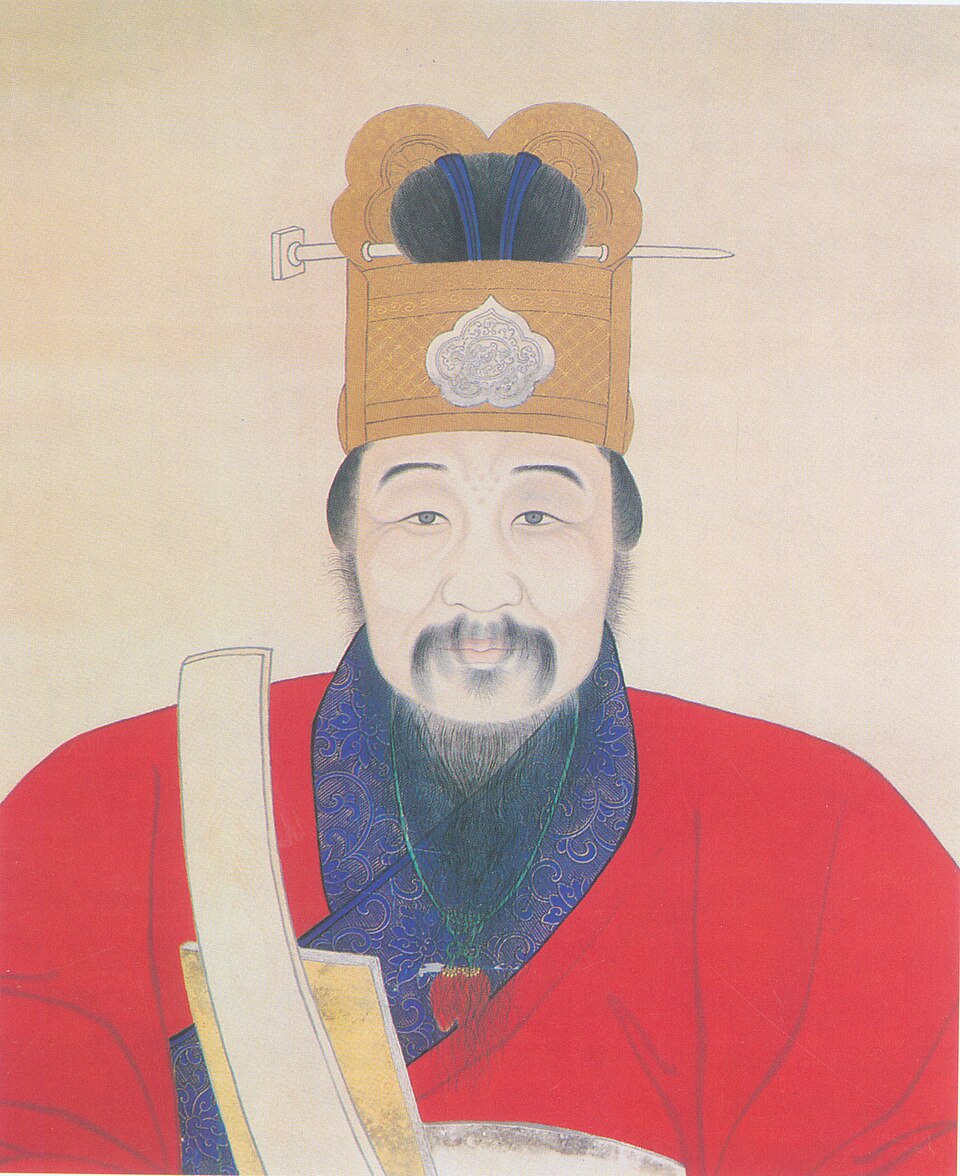
清人绘 / Wikimedia Commons (Public domain) source Death of Yang Jisheng 杨继盛
Yang Jisheng, a Ming dynasty official and noted Confucian martyr, passed away. Known for his integrity and commitment to Confucian ideals, his writings criticized corruption and advocated for just governance.
His literary works and moral principles continue to inspire discussions on ethics.
Read more
User Alex Needham (own photography) on en.wikipedia / Wikimedia Commons (Public domain) source Shanghai Transrapid Sets Speed Record 上海磁浮列车
In 2003, the Shanghai Transrapid, a magnetic levitation train, set a world speed record of 501 kilometers per hour. This sleek technology was part of efforts to demonstrate the future potential of rail systems.
It highlighted China's advancements in transportation technology.
Read more
这是一个亭子。
Zhè shì yī gè tíngzi.
This is a pavilion.
A simple sentence introducing the word.
亭子在花园里。
Tíngzi zài huāyuán lǐ.
The pavilion is in the garden.
Shows the location of the pavilion.
我们在亭子里喝茶。
Wǒmen zài tíngzi lǐ hē chá.
We drink tea in the pavilion.
Describes an activity happening in the pavilion.
亭子象征着宁静。
Tíngzi xiàngzhēngzhe níngjìng.
The pavilion symbolizes tranquility.
Uses the word in a metaphorical sense.
Using 在 to Indicate Location
在 + location + action
This pattern is used to describe where an action takes place.
Use this pattern to clearly indicate the location of an activity.
他在学校读书。
Tā zài xuéxiào dúshū.
He studies at school.
我们在家吃饭。
Wǒmen zài jiā chīfàn.
We eat at home.
她在厨房做饭。
Tā zài chúfáng zuòfàn.
She cooks in the kitchen.
What does 亭 mean?
How is 亭 pronounced?
How do you write "pavilion" in Chinese?
Listen. What does the sentence mean?
我们在___里喝茶。(We drink tea in the ___.
我们在亭子里休息。 — What does this sentence mean?
What is a common activity done in a 亭?
Arrange into a correct sentence
What record did the Shanghai Transrapid set in 2003?
Yang Jisheng is best known for his contribution to which field?
Frequently asked questions about the word 亭
You can encounter phrases like 亭台楼阁 (tíng tái lóu gé), which describes various types of traditional Chinese architecture including pavilions.
Yes, 亭 can refer to modern kiosks or booths in parks and public areas, showing its versatility in both historical and contemporary settings.
Chinese Learner’s Horoscope
Your sign’s reading for today, written for learners.
Find your sign
The Chinese zodiac assigns each birth year one of twelve animals, each paired with an element that colours its character. Yours shapes a reading written for learners.
- Your sign and its elementOne of twelve animals on a 12-year cycle
- A daily affirmationFresh every morning, never repeated
- A learning horoscopeWhat to study today, and when
- A lucky characterWith pinyin, meaning and a study tip
Your birth date
Saved on this device — used only to work out your zodiac sign.
Today's Mandarin word: 亭 (tíng) — pavilion.
Learn it on Mandarin Temple's Dragon Daily 🐉