

August 16, 2026 · 星期日
New Year Prints
年画· to draw

 Today’s episode with Jason & Amy
The word 画 (huà) connects to the story as it means 'to draw', reflecting the artistic process involved in creating New Year Prints.
立秋 marks the official start of autumn, though the lingering "autumn tiger" heat often hangs on for weeks. Subtle signs appear — a cooler breeze at dawn, the first yellowing leaves, ripening fruit.
People practice 贴秋膘 ("sticking on autumn fat"), eating hearty meats to recover weight lost in summer, and bite into melon (啃秋).
New Year Prints
年画nián huà
Niánhuà (年画), or New Year Prints, are an integral part of Chinese New Year celebrations. These colorful woodblock prints are traditionally hung on doors and walls to welcome the New Year and invite prosperity and happiness into the home. The practice dates back to the Han Dynasty, but it became especially popular during the Tang and Song Dynasties when woodblock printing technology advanced, making it easier to produce prints in large quantities[1].
The themes of niánhuà are diverse, often featuring auspicious symbols and figures such as plump children, which symbolize happiness and fertility, and door gods, who are believed to ward off evil spirits. The imagery is usually vibrant and lively, with bold colors and expressive lines that create a festive atmosphere. These prints are also a form of folk art, reflecting regional characteristics and cultural values. For example, the door gods are depicted differently in northern and southern China, showcasing the local artistic styles and traditions[2].
制作年画 (zhìzuò niánhuà), or creating New Year Prints, involves a meticulous process where artisans use woodblocks to carve intricate designs that are then painted with bright colors. This art form not only requires skill in carving and painting but also a deep understanding of the symbolism and cultural significance behind each design. While modern technology has introduced new methods of production, traditional niánhuà remain valued for their cultural heritage and artistic craftsmanship. Today, many people still cherish the tradition of hanging niánhuà in their homes during the New Year, keeping alive a practice that has been passed down through generations.
The word 画 (huà) connects to the story as it means 'to draw', reflecting the artistic process involved in creating New Year Prints.
我喜欢画画。
Wǒ xǐhuān huà huà.
I like to draw.
- [1] UNESCO inscription: Chinese woodblock printing, 2009
- [2] Wang Hui, 'Chinese Folk Art'
Jason & Amy on 画
Podcast: Dragon Daily: New Year Prints — and the word 画
Jason & Amy on New Year Prints and 画
New here?
August 16, 2026
Today in Chinese cultural history, we explore significant figures and their lasting impact.
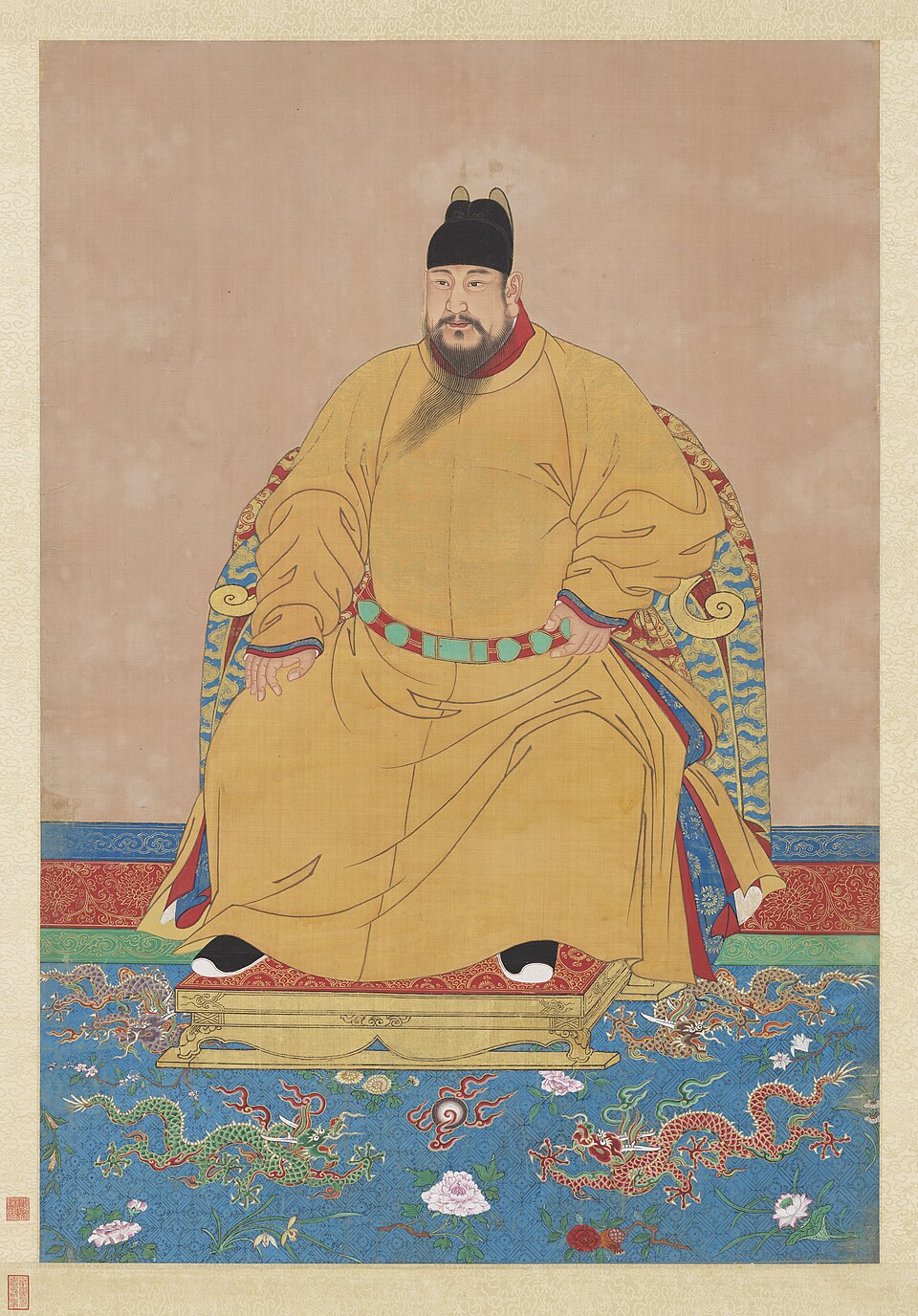
Unknown author Unknown author / Wikimedia Commons (Public domain) source Birth of the Hongxi Emperor 洪熙帝
The Hongxi Emperor, born in 1378, was the fourth emperor of the Ming Dynasty. Known for his efficient governance and efforts to reduce corruption, his reign marked a period of stability and prosperity.
His leadership is remembered for contributing to the flourishing of the Ming Dynasty.
Read more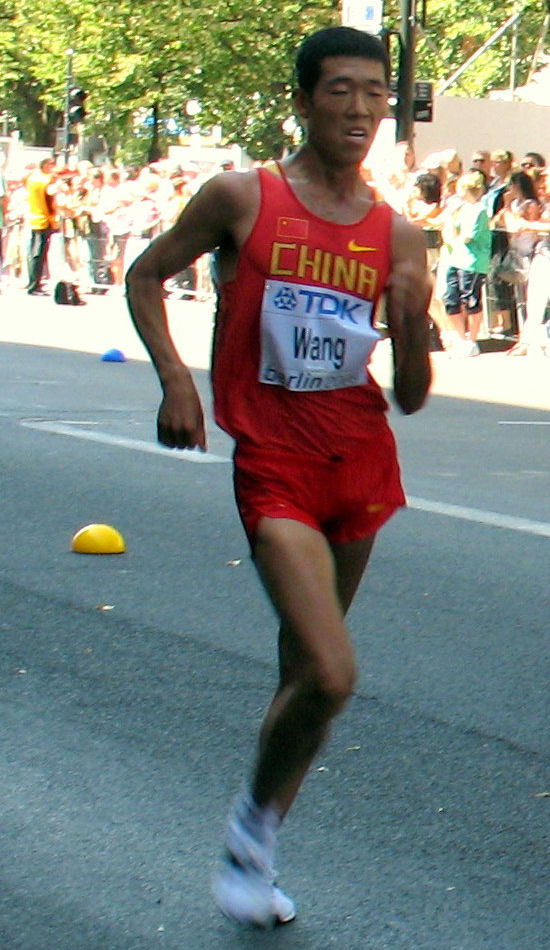
Franz Richter ( User:FRZ ) / Wikimedia Commons (CC BY-SA 3.0) sourcelicence Birth of Wang Hao, Champion Race Walker 王浩
Wang Hao, born in 1989, is a renowned Chinese race walker. His dedication and skill have led him to excel in international competitions, making significant contributions to China's athletics.
Wang Hao's accomplishments highlight the strength and dedication in Chinese sports.
Read moreDeath of Empress Ma, Consort of Han Dynasty 马皇后
Empress Ma, who died in 79, was a prominent consort of the Han Dynasty. Her wisdom and virtue were respected, leaving a significant legacy in Chinese history.
Empress Ma is celebrated for her influence and the stability she brought to the court.
Read more
我画了一只猫。
Wǒ huà le yī zhī māo.
I drew a cat.
This sentence simply uses 画 to mean 'to draw'.
她喜欢画风景。
Tā xǐhuān huà fēngjǐng.
She likes to draw landscapes.
This sentence shows a preference for drawing.
画画是一种艺术。
Huà huà shì yī zhǒng yìshù.
Drawing is a form of art.
This sentence connects drawing with art.
他的画充满了情感。
Tā de huà chōngmǎnle qínggǎn.
His paintings are full of emotion.
This sentence uses 画 to describe art that's expressively emotional.
Using 'to draw' with 画
画 + object
The word 画 can be used to describe the act of drawing an object or creating a painting.
Use this pattern to describe what someone is drawing or painting.
他画了一只鸟。
Tā huà le yī zhī niǎo.
He drew a bird.
我喜欢画花。
Wǒ xǐhuān huà huā.
I like to draw flowers.
她每天画画。
Tā měitiān huà huà.
She draws every day.
What does 画 mean?
How is 画 pronounced?
How do you write "to draw" in Chinese?
Listen. What does the sentence mean?
他喜欢___画。(He likes to ___ pictures.)
他画了一幅画。 — What does this sentence mean?
Which art form is associated with the New Year for good luck?
Arrange into a correct sentence
Which Emperor was born in 1378 and known for his governance?
Who is the renowned Chinese race walker born in 1989?
Frequently asked questions about the word 画
You can say '我喜欢画画' (wǒ xǐhuān huàhuà) meaning 'I like to draw.'
Both mean to draw or paint, but 画 is more commonly used in everyday language, while 绘 (huì) often refers to more formal or skilled forms of drawing.
Yes, 画 can refer to both traditional and digital art, so you can say '我在电脑上画画' (wǒ zài diànnǎo shàng huàhuà) meaning 'I draw on the computer.'
Chinese Learner’s Horoscope
Your sign’s reading for today, written for learners.
Find your sign
The Chinese zodiac assigns each birth year one of twelve animals, each paired with an element that colours its character. Yours shapes a reading written for learners.
- Your sign and its elementOne of twelve animals on a 12-year cycle
- A daily affirmationFresh every morning, never repeated
- A learning horoscopeWhat to study today, and when
- A lucky characterWith pinyin, meaning and a study tip
Your birth date
Saved on this device — used only to work out your zodiac sign.

Today's Mandarin word: 画 (huà) — to draw.
Learn it on Mandarin Temple's Dragon Daily 🐉