
Podcast


Podcast: The Rural-Urban Divide: Migration, Hukou, and China's Two Worlds
Listen to Jason & Amy discuss The Rural-Urban Divide: Migration, Hukou, and China's Two Worlds
New here?
The Hukou System: Origins and Mechanisms of Social Division
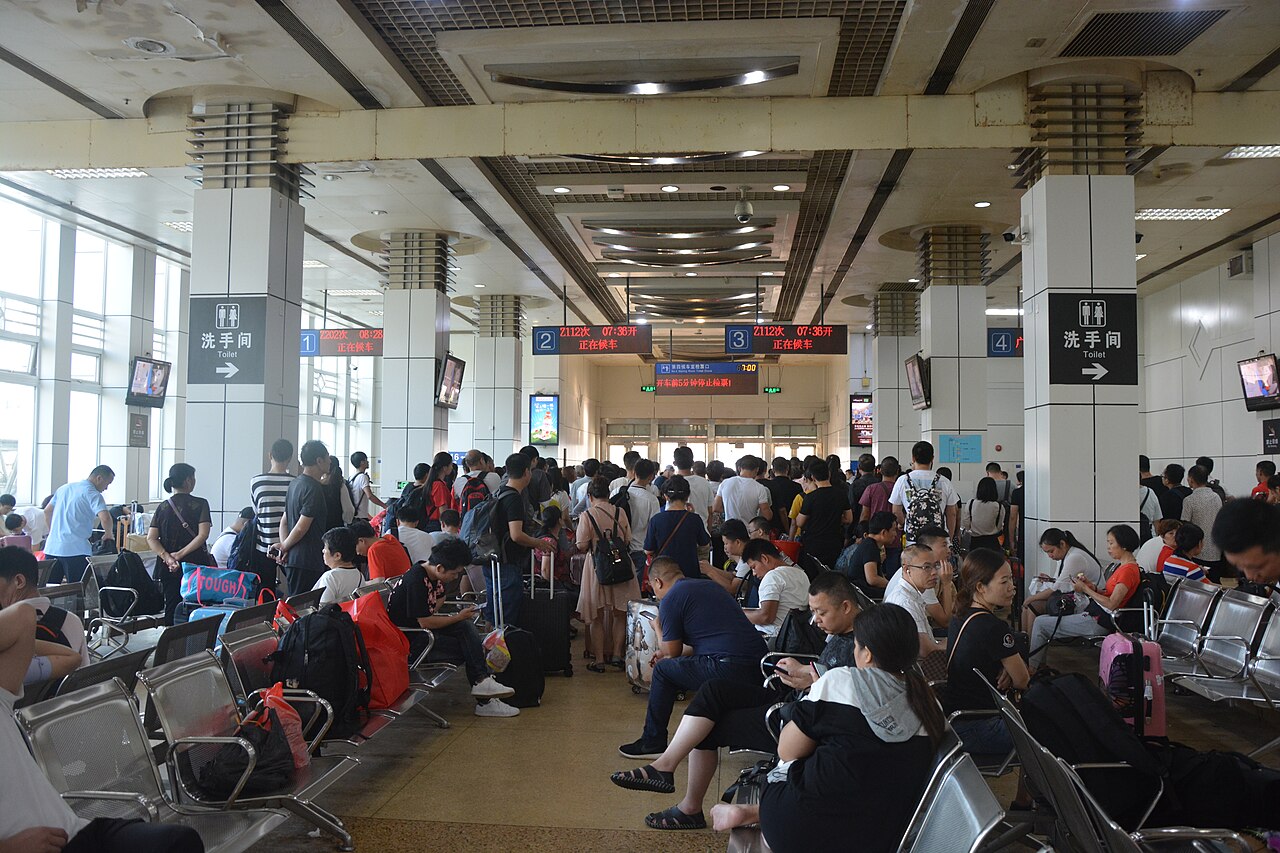
The household registration system (户口, hùkǒu), established in its modern form in 1958, was designed to manage population mobility in Mao's planned economy by tying each citizen's access to food rations, education, healthcare, and housing to their registered place of residence. Under this system, every Chinese citizen was classified as either "agricultural" (rural) or "non-agricultural" (urban), a distinction that functioned as an internal passport system controlling movement between the countryside and the cities. The hukou system was modeled partly on the Soviet propiska system but was implemented with a thoroughness and persistence that exceeded its Soviet predecessor. During the Mao era, unauthorized migration to cities was effectively impossible because urban food rations were distributed only to registered residents, and without a local hukou, a rural migrant could neither eat nor find housing in the city (Chan, 2019, pp. 34-67). The system thus maintained a rigid separation between rural and urban populations that served the state's economic planning goals — ensuring a stable agricultural labor force to feed the cities while preventing the "over-urbanization" that planners associated with the chaotic cities of the developing world.
The reform era that began in 1978 under Deng Xiaoping fundamentally altered the context in which the hukou system operated without abolishing the system itself. As agricultural decollectivization and the growth of market-oriented manufacturing created both push and pull factors for rural-to-urban migration, the state gradually relaxed enforcement of residency restrictions while maintaining the legal framework that distinguished between local and non-local residents. The result was the emergence of a vast "floating population" (流动人口, liúdòng rénkǒu) — rural migrants who lived and worked in cities but retained their rural hukou registrations and were therefore denied access to urban public services including public education for their children, subsidized healthcare, social housing, and pension benefits. By 2020, this floating population numbered approximately 376 million people, constituting roughly one-quarter of China's total population and forming the backbone of the urban workforce in construction, manufacturing, domestic service, food delivery, and other labor-intensive sectors (Chan, 2019, pp. 89-124). Their labor built the gleaming skyscrapers and high-speed rail networks that symbolize China's modernization, yet they remained legal outsiders in the cities they helped create.
The hukou system's persistence despite decades of reform rhetoric reflects the political economy of urban governance in China. Local governments, which bear the fiscal responsibility for providing public services, have strong financial incentives to limit the number of residents entitled to those services. Converting a rural hukou to an urban one for the hundreds of millions of migrants already living in cities would require massive investment in schools, hospitals, and social housing — costs that local governments, already burdened by debt from infrastructure spending, are reluctant to absorb (Solinger, 1999, pp. 156-189). The result is a system of gradual, incremental reform in which small and medium-sized cities have relaxed hukou restrictions significantly while the most desirable tier-one cities — Beijing, Shanghai, Guangzhou, and Shenzhen — maintain stringent requirements including minimum income thresholds, educational qualifications, property ownership, and years of social insurance contributions that effectively exclude the majority of migrant workers. This tiered approach creates a hierarchy of belonging in which the ease of obtaining full urban citizenship is inversely proportional to the desirability of the city, perpetuating a system that many scholars have compared to a form of internal apartheid.
"The cities are like Europe, the countryside is like Africa."
Common saying describing China's rural-urban divideThe Greatest Migration in Human History
The scale of China's internal migration since 1978 defies easy comprehension. In the span of four decades, China's urbanization rate rose from approximately 18 percent to over 65 percent, meaning that roughly 600 million people — a population larger than that of the entire European Union — transitioned from rural to urban life. This mass movement, which accelerated dramatically in the 1990s and 2000s, was driven by the enormous wage differential between agricultural and industrial work. A migrant worker in a Guangdong factory or a Shanghai construction site could earn in a month what might take three months of farming to generate, making the economic logic of migration irresistible despite the social costs of family separation and the discriminatory treatment migrants faced in cities (Murphy, 2002, pp. 45-78). The geographic pattern of this migration followed the contours of China's economic geography: workers flowed predominantly from the interior provinces of Sichuan, Henan, Anhui, and Hunan toward the coastal manufacturing centers of the Pearl River Delta, the Yangtze River Delta, and the Beijing-Tianjin corridor, creating a vast circulatory system of labor that connected China's poorest regions with its wealthiest.
The experience of migration has shaped the consciousness of hundreds of millions of Chinese people, creating a distinctive migrant identity that straddles rural roots and urban aspirations. First-generation migrants, who typically arrived in cities during the 1980s and 1990s with little education and few skills, accepted brutal working conditions — twelve-hour shifts, crowded dormitories, minimal safety protections — in exchange for wages that allowed them to remit money home to support families, build houses in their home villages, and finance their children's education. The annual Spring Festival migration (春运, chūnyùn), during which hundreds of millions of workers travel home for the Chinese New Year holiday, is the largest annual human migration on earth, a logistical challenge that pushes China's transportation infrastructure to its limits and a powerful cultural ritual that reinforces the emotional bonds between migrants and their home communities (Solinger, 1999, pp. 201-234). The iconic images of packed train stations, exhausted travelers sleeping on luggage in waiting halls, and motorcycle convoys of workers riding thousands of kilometers home through winter weather have become defining visual metaphors of contemporary Chinese life.
The second generation of migrant workers — those born in the 1990s and 2000s, many of whom grew up in cities but retained rural hukou registrations — display markedly different attitudes and expectations than their parents. Better educated, more digitally connected, and less willing to accept the exploitative conditions their parents endured, these younger migrants are more likely to change jobs frequently, demand better wages and working conditions, and view themselves as urban residents rather than temporary sojourners. However, the hukou system continues to impose fundamental constraints on their ability to fully integrate into urban society: their children may be denied enrollment in urban public schools, forcing families to choose between keeping children in the city in expensive private schools or sending them back to the countryside to be raised by grandparents — the phenomenon of "left-behind children" (留守儿童, liúshǒu értóng) that has affected an estimated 60 million children at its peak (Murphy, 2002, pp. 112-145). The psychological and developmental consequences of this enforced family separation represent one of the most troubling human costs of China's urbanization model.
Left-Behind Children and the Human Cost of Migration
The phenomenon of "left-behind children" (留守儿童, liúshǒu értóng) — minors who remain in rural areas while one or both parents migrate to cities for work — represents one of the most wrenching human consequences of China's development model. At its peak around 2015, an estimated 61 million children under the age of 17 were classified as left-behind, though definitions and counting methods vary across studies. These children are typically raised by grandparents or other relatives in villages where schools are underfunded, healthcare access is limited, and the emotional absence of parents creates lasting psychological wounds. Research by Ye and Murray (2005, pp. 23-56) documented the multiple ways in which parental absence affects children's development: academically, left-behind children score lower on standardized tests and are more likely to drop out of school; psychologically, they exhibit higher rates of anxiety, depression, and behavioral problems; and physically, they are more vulnerable to accidents, malnutrition, and untreated illnesses because the grandparents caring for them are often elderly, in poor health themselves, and overwhelmed by childcare responsibilities.
The emotional landscape of left-behind childhood is marked by a painful contradiction: children understand intellectually that their parents left to earn money for the family's benefit, yet they experience the absence as a form of abandonment that generates feelings of anger, sadness, and unworthiness. Qualitative studies based on interviews and diary analyses reveal children who countdown the days until the Spring Festival reunion with their parents, only to experience fresh grief when the holiday ends and the parents depart again, sometimes within days of arriving. The phenomenon of "telephone parenting" — mothers and fathers attempting to maintain emotional connections with their children through regular phone calls — is widespread but limited in its effectiveness, as children often become withdrawn or uncommunicative during calls, unable or unwilling to articulate the depth of their loneliness (Chan, 2019, pp. 178-212). Tragic cases of unsupervised left-behind children dying in accidents, committing suicide, or suffering abuse at the hands of caregivers have periodically shocked the Chinese public and prompted government action, though systemic solutions remain elusive because the root cause — the hukou system's exclusion of migrant families from urban public services — remains fundamentally unreformed.
The government has implemented various measures to address the left-behind children crisis, including boarding school programs in rural areas, requirements for migrant parents to designate responsible guardians for their children, and the gradual expansion of urban school enrollment for migrant children in some cities. However, these measures treat symptoms rather than causes. The fundamental structural issue is that China's economic development model has relied on a labor system that separates workers from their families, extracting their productive labor for urban economies while externalizing the social reproduction costs — childcare, education, eldercare — onto impoverished rural communities (Solinger, 1999, pp. 267-298). Some scholars have drawn comparisons to the migrant labor systems of apartheid-era South Africa, in which Black workers were permitted to labor in white cities but were expected to maintain their families in distant homelands. While the comparison is imperfect — Chinese migrants face discrimination based on registration status rather than race, and the system is undergoing gradual reform — the structural parallels in terms of family separation, unequal access to public services, and the systematic extraction of labor from marginalized populations are uncomfortably close. The long-term societal consequences of a generation raised with absent parents remain to be fully understood, but early indications suggest that the psychological scars of left-behind childhood may persist well into adulthood, affecting these individuals' own parenting practices, mental health, and capacity for intimate relationships.
"I left home young and return old; my dialect unchanged, but my temples grey."
He Zhizhang, "Returning Home" (Tang dynasty)Urban Transformation: Ghost Cities, Megacities, and the Built Environment
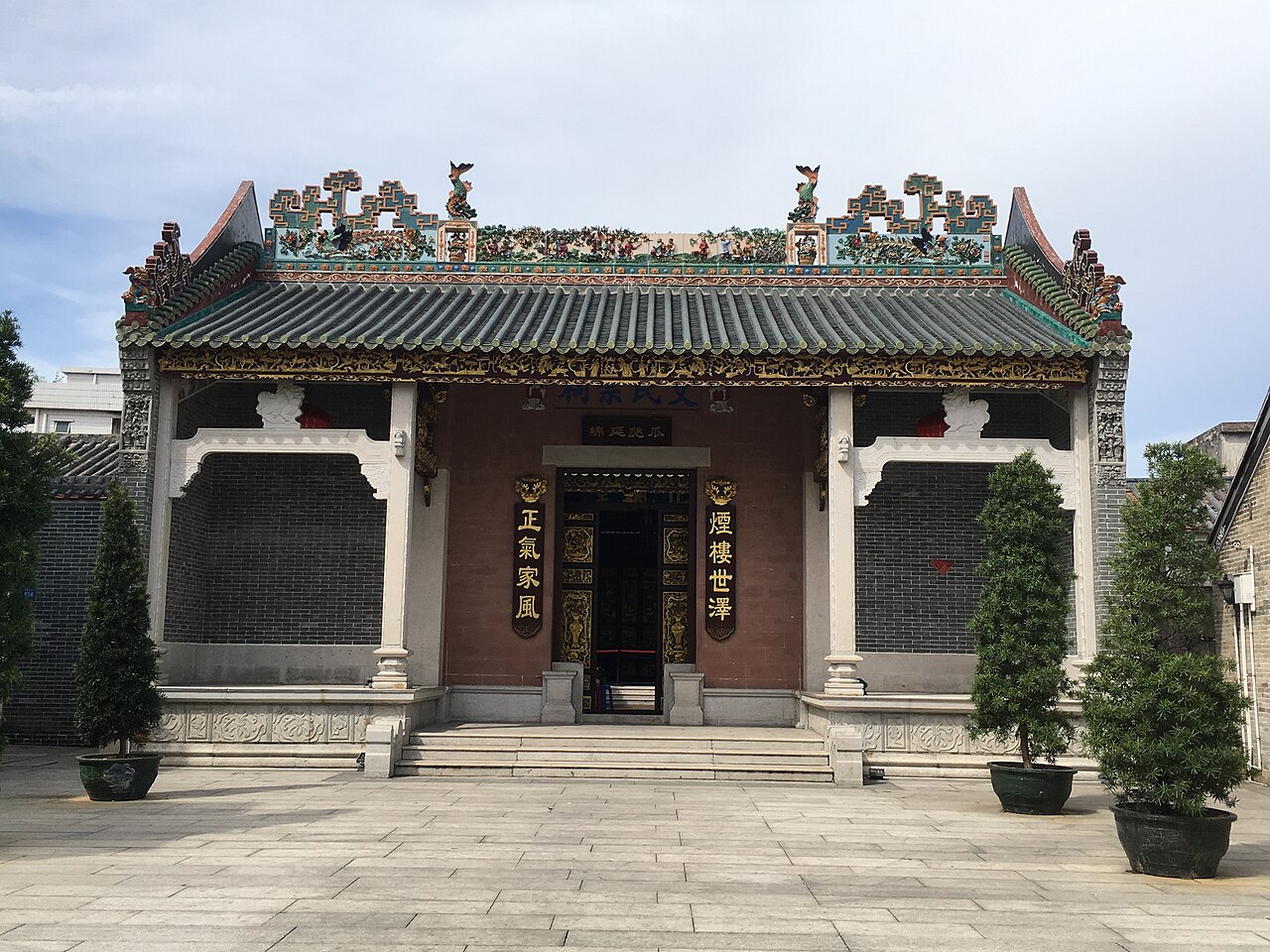
China's urbanization has produced a physical transformation of the landscape that is visible from space. Between 1990 and 2020, the total built-up urban area in China more than quadrupled, consuming farmland, wetlands, and villages at a rate that alarmed environmental scientists and food security experts. The construction boom that accompanied this expansion was fueled by a distinctive Chinese economic model in which local governments derived a substantial portion of their revenue from selling land-use rights to real estate developers — the "land finance" system that created powerful incentives for continuous urban expansion regardless of actual demand. This model produced the phenomenon of "ghost cities" (鬼城, guǐchéng) — newly built urban districts with impressive infrastructure, apartment towers, shopping malls, and government buildings but few actual residents. The most famous example, Ordos Kangbashi in Inner Mongolia, was designed for 300,000 residents but remained largely empty for years after its completion, becoming an international symbol of China's potential overbuilding problem (Chan, 2019, pp. 234-267). While some ghost cities have gradually filled as urban expansion caught up with optimistic planning, others remain underutilized, their empty apartments representing billions of yuan in misallocated investment.
At the other extreme, China's largest cities have grown to a scale that challenges the limits of urban management. The Pearl River Delta megalopolis — encompassing Guangzhou, Shenzhen, Dongguan, Foshan, and surrounding cities — houses over 70 million people in a continuous urbanized zone, making it the largest urban agglomeration on earth. Shanghai's metropolitan population exceeds 28 million, Beijing's surpasses 21 million, and a dozen other Chinese cities have populations exceeding 10 million. Managing these megacities requires infrastructure investments of staggering proportions: China has built the world's largest high-speed rail network (over 42,000 kilometers by 2023), the world's longest subway systems (Shanghai and Beijing each exceeding 800 kilometers of metro lines), and some of the world's most advanced water treatment and waste management facilities (Murphy, 2002, pp. 189-224). The daily logistics of feeding, transporting, and providing utilities to these enormous populations represent engineering and governance challenges that have few precedents in human history, and Chinese urban planners have in many cases developed innovative solutions — including transit-oriented development, sponge city flood management, and smart city data platforms — that are now being studied and emulated internationally.
The social geography of Chinese cities has been profoundly shaped by the reform era's waves of demolition and reconstruction. The demolition of traditional urban neighborhoods — hutong courtyard houses in Beijing, longtang lane houses in Shanghai, qilou arcade buildings in Guangzhou — to make way for modern high-rise developments has been one of the most culturally controversial aspects of China's urbanization. Millions of urban residents have been displaced from communities where their families lived for generations, relocated to modern but often soulless apartment complexes on urban peripheries far from their former social networks and familiar surroundings. The practice of "forced demolition" (强拆, qiángchāi), in which residents were compelled to accept compensation packages and vacate their homes under threat of having their buildings torn down around them, provoked some of the most intense social conflicts of the reform era and inspired a genre of protest — the "nail house" (钉子户, dīngzihù), a lone holdout dwelling surrounded by demolition — that became an iconic image of individual resistance to state-driven development (Solinger, 1999, pp. 312-345). More recently, growing public appreciation for heritage preservation and the commercial potential of gentrified historic districts has led to a partial shift toward rehabilitation rather than demolition, though the fundamental tension between development imperatives and heritage conservation continues to shape the contested landscape of Chinese cities.
Rural Revitalization and the Future of the Countryside
As China's cities have boomed, its countryside has experienced a more complex trajectory of decline, adaptation, and selective renewal. The depopulation of rural areas — as young people migrate to cities, leaving behind aging parents and young children — has created what sociologists describe as "hollow villages" (空心村, kōngxīn cūn), communities where the majority of working-age adults are absent and the social infrastructure of schools, clinics, and markets has withered. Entire villages have been abandoned as their populations dwindled below the threshold of viability, their empty houses and overgrown fields standing as silent testimony to the gravitational pull of urban opportunity. The Chinese government, recognizing both the social unsustainability and the political risk of rural collapse, launched the "Rural Revitalization Strategy" (乡村振兴战略, xiāngcūn zhènxīng zhànlüè) in 2017, designating it as a priority on par with the completion of the country's poverty alleviation campaign (Ye and Murray, 2005, pp. 89-124). This strategy encompasses agricultural modernization, rural infrastructure development, environmental restoration, cultural preservation, and the promotion of rural industries including agritourism, e-commerce, and specialty agriculture.
The results of rural revitalization efforts have been uneven. In prosperous eastern provinces such as Zhejiang and Jiangsu, model villages showcase the potential of rural renewal: renovated traditional architecture houses boutique homestays and artisan workshops; modern agricultural cooperatives produce premium organic products for urban consumers; and high-speed internet connectivity enables remote work and e-commerce entrepreneurship. These success stories, heavily promoted in state media, represent genuine achievements but also reflect the advantages of proximity to wealthy urban markets, existing infrastructure, and strong local governance that are not easily replicated in the poorer interior provinces where rural decline is most severe (Chan, 2019, pp. 312-345). In the mountainous regions of Guizhou, Yunnan, and Gansu, where poverty was most entrenched and geography most challenging, the government's poverty alleviation campaign achieved its stated goal of eliminating "absolute poverty" by 2020 through a combination of targeted subsidies, infrastructure investment, and in some cases the controversial practice of relocating entire villages to purpose-built resettlement communities in more accessible locations.
The future of rural China is likely to be shaped by several converging trends whose interactions are difficult to predict. Continued urbanization will further reduce the rural population, potentially allowing the consolidation of agricultural land into larger, more productive holdings — a transformation that China's agricultural policy explicitly encourages. Digital technology, as discussed elsewhere, offers the possibility of connecting rural producers with urban markets and enabling new forms of remote work that do not require physical relocation to cities. Climate change poses significant risks to agriculture in regions dependent on glacial meltwater or vulnerable to desertification, potentially accelerating rural depopulation in affected areas. And the aging of the rural population — exacerbated by the selective migration of the young — creates an urgent need for eldercare infrastructure in communities that have traditionally relied on family-based care systems now eroded by migration (Murphy, 2002, pp. 256-289). Whether rural China can reinvent itself as a viable space for modern life or will continue its trajectory of demographic and economic decline is one of the most consequential questions facing Chinese society, with implications for food security, environmental sustainability, cultural preservation, and the social cohesion of a nation whose civilization has its deepest roots in the soil of its villages.
"Common prosperity."
Xi Jinping's policy slogan for reducing inequality (2021)Bridging the Divide: Reform, Integration, and Unfinished Business
The rural-urban divide remains one of China's most fundamental structural challenges despite decades of policy attention and significant investments in rural infrastructure and social services. Income disparities between urban and rural residents, while narrowing somewhat in recent years, remain substantial: in 2022, urban per capita disposable income was approximately 2.4 times that of rural residents, a ratio that understates the actual gap because it does not account for the superior quality and accessibility of urban public services in education, healthcare, and social protection. The hukou reform process, which has accelerated since 2014 under the "National New-Type Urbanization Plan," has made meaningful progress in smaller cities but continues to stall in the major metropolitan areas where most migrants actually live and work. The plan envisions granting urban hukou to 100 million rural migrants by 2020 — a target that was approximately met — but the quality of the hukou conversions varies enormously, with many occurring in smaller cities where migrants have less desire to settle rather than in the tier-one cities where they have actually built their lives (Solinger, 1999, pp. 378-412).
The education gap between rural and urban China represents perhaps the most consequential dimension of the divide for the country's long-term future. Rural schools suffer from chronic underfunding, difficulty attracting and retaining qualified teachers, and a curriculum that may not adequately prepare students for the knowledge economy. Research by Scott Rozelle and Natalie Hell, documented in their influential book Invisible China, found that only approximately 30 percent of China's labor force has attended high school — a figure that reflects the cumulative deficit in rural educational investment over decades. Their work suggests that unless rural educational outcomes improve dramatically, China risks creating a permanent underclass of workers whose limited human capital condemns them to low-wage employment even as the economy shifts toward higher-value activities (Chan, 2019, pp. 378-412). The "double reduction" policy of 2021, which restricted private tutoring, was partly motivated by concerns about educational inequality, though its primary impact has been felt in urban areas where the tutoring industry was concentrated.
The path toward a more integrated Chinese society requires not only institutional reforms — hukou liberalization, fiscal transfers to rural areas, investment in rural education and healthcare — but also a cultural reckoning with the deep-seated biases that undergird the rural-urban hierarchy. Urban Chinese society harbors pervasive prejudices against rural people, expressed in stereotypes about their manners, hygiene, intelligence, and cultural sophistication that bear uncomfortable similarities to class prejudices in other societies. The Mandarin term "farmer" (农民, nóngmín) carries connotations of backwardness and ignorance in casual urban usage that would be recognized as offensive if directed at any other social group (Ye and Murray, 2005, pp. 156-189). Overcoming these attitudes — which are reinforced by media representations, educational hierarchies, and the lived experience of spatial segregation — requires the kind of sustained cultural work that accompanies all movements for social equality. The rural-urban divide is ultimately not just a policy problem to be solved through institutional reform but a moral challenge that asks Chinese society to reconcile its ideals of social harmony and common prosperity with the reality of a development model that has systematically privileged some of its citizens at the expense of others.
Quiz
What was the primary purpose of the hukou system when it was established in 1958?
What is the 'floating population' in China?
What is one reason local governments in major Chinese cities resist relaxing hukou restrictions?
How has the hukou system affected migrant workers' children in urban areas?
What is a 'ghost city' in the context of China's urbanization?
What describes the 'left-behind children' phenomenon?
What is a key challenge faced by rural schools in China?
What is one of the goals of China's Rural Revitalization Strategy?
Write your thoughts, then get feedback from Jason — you can turn any answer into a full discussion.
9. How might the hukou system impact the social mobility of migrant workers in China?
10. In what ways does the phenomenon of 'left-behind children' reflect broader social and economic challenges in China?
Frequently Asked Questions
Common questions about The Rural-Urban Divide: Migration, Hukou, and China's Two Worlds
What is the rural-urban divide in China?
The rural-urban divide refers to the stark economic, social, and institutional gap between China's cities and countryside, where urban residents enjoy significantly higher incomes, better schools, and superior healthcare compared to their rural counterparts. This divide is reinforced by the hukou system, which ties social benefits to place of birth and creates a two-tier society within China's own cities.
How many migrant workers are there in China?
China has approximately 290 million rural-to-urban migrant workers, making it one of the largest internal migrations in human history. These workers form the backbone of China's manufacturing, construction, and service industries but often live in precarious conditions without access to the urban social services available to registered city residents.
What are left-behind children in China?
Left-behind children (留守儿童) are rural children who remain in their home villages while their parents migrate to cities for work, typically raised by grandparents or other relatives. An estimated 60 million children fall into this category, and studies have documented higher rates of depression, anxiety, behavioral problems, and academic difficulties compared to children who live with their parents.
Why do Chinese farmers move to cities?
Chinese farmers migrate to cities primarily because urban wages can be five to ten times higher than rural agricultural income, offering the chance to lift their families out of poverty. The economic reforms of the 1980s dismantled the collective farming system and opened urban labor markets, creating powerful pull factors that continue to drive one of the greatest urbanization movements in history.
How does China's urbanization compare to other countries?
China's urbanization rate jumped from 18% in 1978 to over 65% by 2023, a transformation that took Western countries over a century compressed into just four decades. This unprecedented speed has created gleaming megacities alongside persistent inequality, as hundreds of millions of former rural residents navigate the transition from agricultural villages to urban industrial life.